Waymo begins public self-driving rides in Houston, outlining limited access, safety oversight and expansion plans
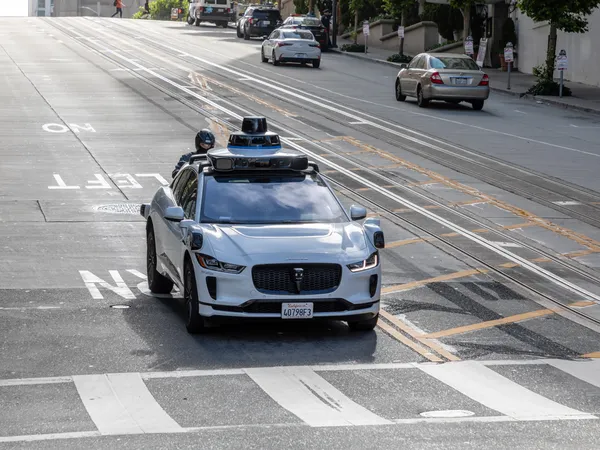
Public access begins through invitations, with a broader rollout expected later in 2026
Waymo has opened its fully autonomous ride-hailing service to public riders in Houston, marking the company’s first commercial launch in the city. The Houston debut is part of a simultaneous expansion that also introduces public service in Dallas, San Antonio and Orlando.
The initial phase is limited. Riders who have downloaded the Waymo app may receive invitations on a rolling basis, a staged approach the company says is designed to manage demand and scale operations gradually before opening availability more broadly later in the year.
What Houston riders can expect now
Waymo’s service uses driverless vehicles operating without a human safety driver in the car. Like other robotaxi programs, availability is expected to be constrained by a defined operating area and fleet capacity, particularly at launch. Waymo has previously conducted testing in Houston ahead of commercial service, following a pattern used in other cities where the company maps roads and validates performance before expanding access.
In other markets, Waymo’s commercial service has been offered either directly through the Waymo app or via partnerships with ride-hailing platforms. For Houston, the current public-entry approach centers on the Waymo app invitation process.
Safety claims meet a landscape of federal reporting and investigations
Waymo has promoted its safety performance using internal analyses and large-scale driving exposure, including more than 200 million fully autonomous miles traveled. The company has also said its data show substantial reductions in injury-related crashes compared with human drivers in comparable conditions.
At the same time, the national regulatory framework for automated driving systems requires formal crash reporting. The National Highway Traffic Safety Administration (NHTSA) has a Standing General Order that obligates covered companies to report certain crashes involving automated driving systems when the system was engaged within 30 seconds of an incident, with reporting thresholds tied to injury severity and property damage.
In recent years, Waymo has faced federal scrutiny tied to specific incident types, including school-zone and school-bus interactions in some operating areas. Such inquiries underscore that even as robotaxi services scale, performance in complex edge cases remains a focal point for regulators, cities and road users.
Why Houston is a key test of scale
Houston’s launch places a large, car-dependent metro area with diverse road designs, heavy traffic corridors and frequent construction into Waymo’s commercial footprint. The company has said it is working with local community organizations as part of its deployment approach, alongside outreach intended to familiarize stakeholders with how the service operates and how it can be accessed.
Key facts at a glance
- Public service in Houston started on February 24, 2026, through an invitation-based rollout in the Waymo app.
- Houston joins Dallas, San Antonio and Orlando in a multi-city public expansion on the same date.
- NHTSA requires specific crash reporting for automated driving systems under its Standing General Order.
- Waymo has reported large-scale operating experience and safety-focused performance comparisons, while also facing regulatory attention around certain incident scenarios.
As Houston riders begin accessing driverless trips, the early months will likely function as a real-world test of how quickly the service can expand while meeting regulatory reporting requirements and operational expectations in one of the nation’s largest urban regions.