U.S. Energy Secretary Chris Wright addresses Houston conference as Iran war drives oil and market volatility
Houston appearance comes amid heightened price swings in oil and broader financial markets
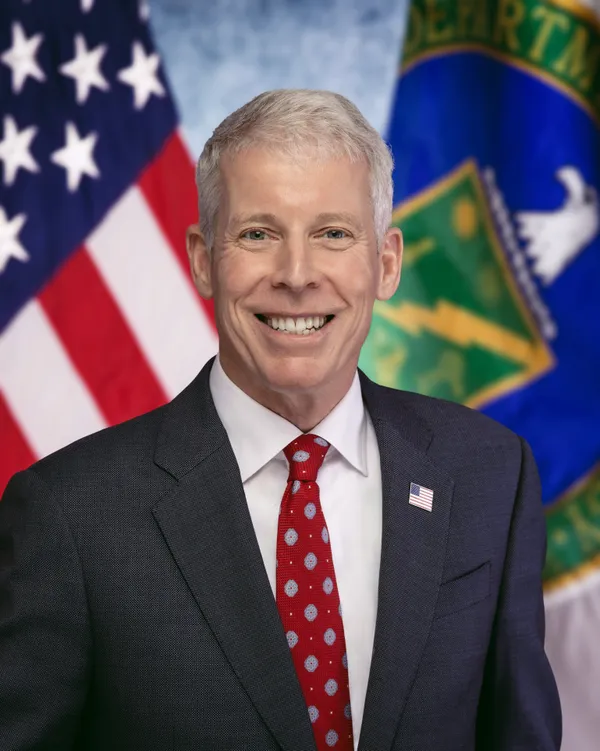
U.S. Energy Secretary Chris Wright delivered remarks in Houston during CERAWeek by S&P Global, as the continuing U.S.-Iran conflict has amplified volatility across energy markets and global equities. The conference, held March 23–27, 2026 at Hilton Americas—Houston, has drawn senior executives, policymakers and investors at a time when shipping risks and fears of supply disruption have repeatedly moved crude prices and related assets.
In public comments during the Houston meetings, Wright described the market disruption linked to the conflict as temporary and argued that price increases had not yet risen to a level that would materially reduce demand. He also urged U.S. producers to increase output, presenting higher prices as an incentive for additional supply while emphasizing the administration’s view that the current shock is short-term.
Strait-of-Hormuz risk has become the focal point for traders and policymakers
Market concerns have centered on the potential for constrained flows through the Strait of Hormuz, a key chokepoint for global oil shipments. Since the conflict began in late February, traders have reacted not only to military developments but also to signals around maritime traffic, insurance costs and the probability of further disruption to regional energy infrastructure.
These uncertainties have driven sharp intraday reversals in both equities and crude. Oil prices have moved on shifting expectations about the duration of the conflict and the prospects for talks, with periodic pullbacks when investors interpreted official statements as pointing toward de-escalation.
Administration response: balancing market reassurance and supply expansion
Wright’s Houston message paired reassurance about the duration of the disruption with a call for increased domestic production. The approach reflects competing pressures facing the administration: limiting near-term price impacts on U.S. consumers while advancing a policy agenda centered on expanded oil and gas development and faster infrastructure and permitting timelines.
Energy markets have increasingly treated the conflict as a political and logistical risk premium, rather than a simple question of physical supply loss, with pricing reacting to maritime security developments and perceived escalation risks.
Separately from the production push, the administration has publicly discussed measures that can be used to cushion domestic impacts of higher crude prices, including releases from emergency stockpiles. Such steps are typically designed to smooth short-term dislocations rather than replace sustained global supply flows.
What the volatility means for Houston’s energy hub
Houston sits at the center of U.S. oil and gas trading, corporate headquarters activity, and infrastructure planning. The city’s role as host of CERAWeek places it at an intersection of market sentiment and policy signaling, with industry participants weighing whether elevated prices will persist long enough to justify additional drilling and investment decisions.
- Higher crude prices can improve cash flow expectations for producers but may raise costs across refining, petrochemicals and transport.
- Short-lived spikes may not translate into long-cycle investment if companies expect prices to normalize quickly.
- Consumer impacts, including gasoline prices, remain closely tied to global benchmarks even when most shipments through Hormuz are destined for other regions.
As the conflict continues, traders and companies are expected to remain focused on signals that affect maritime risk, potential further attacks on infrastructure, and any concrete steps toward de-escalation that could reduce the risk premium embedded in oil prices.