Two arrests spotlight persistent illegal dumping in Northeast Houston as residents press for lasting cleanup changes
Arrests follow ongoing neighborhood complaints
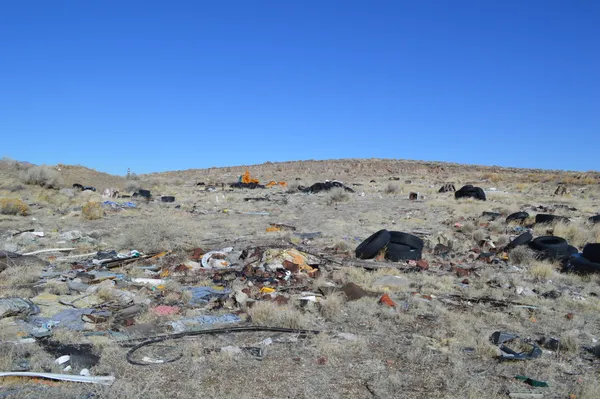
Two people have been arrested in connection with illegal dumping incidents in Northeast Houston, a development that residents say addresses only one piece of a long-running quality-of-life and public health problem. Neighbors in the affected area have repeatedly reported dumping along roadsides, ditches and vacant lots—sites that can quickly grow as additional debris accumulates.
While arrests can interrupt individual dumping activity, residents have also called for sustained measures that reduce repeat violations and prevent new piles from forming. Their concerns reflect a broader pattern across Houston, where illegal dumping complaints and heavy-trash backlogs have remained a recurring challenge for city services.
How Houston has been trying to respond
The city’s multi-pronged approach has centered on rapid cleanup, enforcement and prevention efforts under its One Clean Houston framework. The plan includes faster abatement of reported dumpsites, expanded use of surveillance resources in coordination with law enforcement partners, and measures intended to make legal disposal more accessible, including pilot drop-off options and operational upgrades for collections.
City operations have also faced strain tied to equipment reliability, staffing pressures and high demand for bulky-waste pickup. In late 2025, Houston leadership approved a short-term citywide heavy-trash cleanup initiative using a private contractor funded with remaining hurricane debris-removal dollars, aiming to accelerate removal while longer-term fixes are evaluated.
Federal monitoring ended before its expected expiration
Local enforcement and cleanup now occur without a federal monitoring program that was established after a federal civil-rights investigation into the city’s response to illegal dumping complaints in predominantly Black and Latino neighborhoods, including parts of Northeast Houston. The monitoring arrangement—designed to increase transparency, reporting and community engagement—ended before its anticipated 2026 expiration.
The change has sharpened attention on whether city-led systems can sustain consistent response times and prevention measures as neighborhood complaints continue.
What “long-term solutions” typically involve
Residents and officials discussing durable solutions commonly point to the same operational levers:
- Reducing the time between a report and cleanup to prevent site “re-seeding.”
- Targeting repeat locations with physical deterrents such as barriers, signage, and site redesign.
- Strengthening investigations that identify commercial or organized dumping sources.
- Expanding legal disposal capacity and convenience to undercut incentives to dump.
- Improving data tracking so chronic hotspots are addressed systematically rather than case-by-case.
Illegal dumping is often described by city cleanup teams as a cycle: when piles remain visible, they tend to attract more dumping—turning one event into a chronic site.
The Northeast Houston arrests underscore that enforcement can produce quick, visible results. Residents say the next test is whether sustained cleanup capacity, prevention tools and consistent follow-through can reduce dumping over time rather than simply moving it from one block to another.