TSA security lines at Bush Intercontinental’s Terminal E reach 45 minutes, raising connection-time concerns
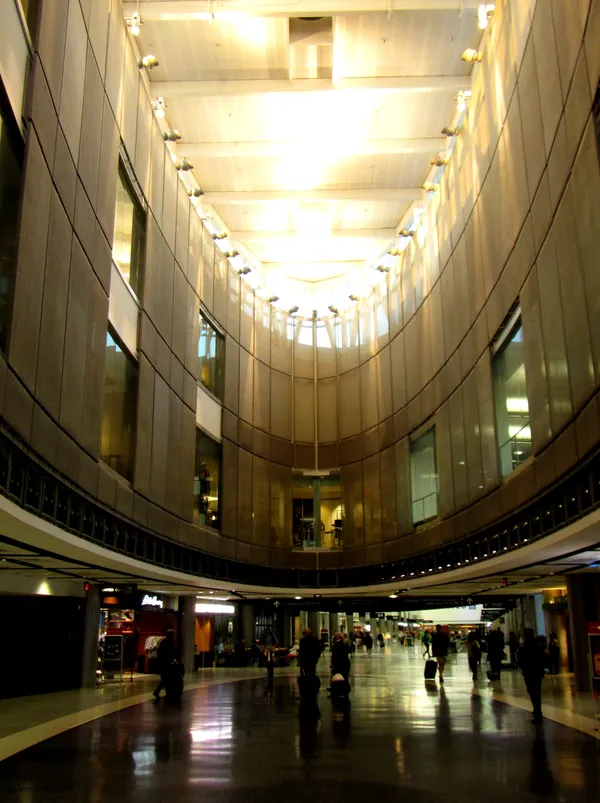
What travelers encountered at Terminal E
Security screening wait times at George Bush Intercontinental Airport (IAH) in Terminal E were shown at roughly 45 minutes, a level that can compress connection windows and increase the risk of missed boarding during peak departure banks. Terminal E serves a large share of international operations and long-haul departures, and it also functions as a major connecting point for passengers transferring between domestic and international flights.
Airport wait-time estimates are not fixed; they can rise and fall quickly based on passenger surges, lane availability, and staffing levels. A 45-minute posted estimate typically reflects conditions at a particular checkpoint and moment in time, rather than a guarantee for the entire terminal or day.
Why Terminal E can become a bottleneck
Terminal E’s role in international travel contributes to uneven demand across the day. International check-in volumes, flight departure waves, and the concentration of widebody operations can create sudden spikes in screening demand. When arrivals, departures, and connections overlap, queues can build even if throughput remains steady.
Checkpoint operations also depend on which lanes are open at a given hour. Screening hours and lane configurations vary across IAH terminals, and operational adjustments—such as redirecting passengers to different checkpoints—can change actual experience compared with posted estimates.
How travelers can verify conditions before leaving for the airport
IAH provides a live wait-time tool through its airport system platforms, allowing travelers to view checkpoint estimates by terminal. Those estimates are intended to help passengers plan arrival times and select among available screening points when multiple options are practical.
Wait times can shift quickly within the same morning due to arrival patterns and screening-lane availability.
Planning implications for departures and connections
A 45-minute screening line is most consequential for passengers with short domestic-to-international connections, travelers checking bags close to cutoff times, and families or groups requiring additional processing. It can also affect travelers relying on rideshare or shuttles during busy curbside periods, when the time from drop-off to reaching the checkpoint can add meaningful minutes before screening even begins.
For passengers with flexibility, IAH’s multi-terminal layout can sometimes offer alternatives, including using different terminals’ checkpoints and moving airside or landside by the airport’s transit system where permitted by airline and ticketing constraints.
What to watch next
- Morning and late-afternoon departure waves, when demand typically concentrates.
- Changes in checkpoint lane availability or hours across terminals.
- Real-time wait-time updates immediately before leaving for the airport and again upon arrival.
For travelers departing from Terminal E, monitoring live wait-time estimates and building extra time into airport arrival plans can reduce the likelihood that security queues become the deciding factor in making a flight.