Total lunar eclipse before sunrise March 3, 2026 may paint Houston’s moon red briefly
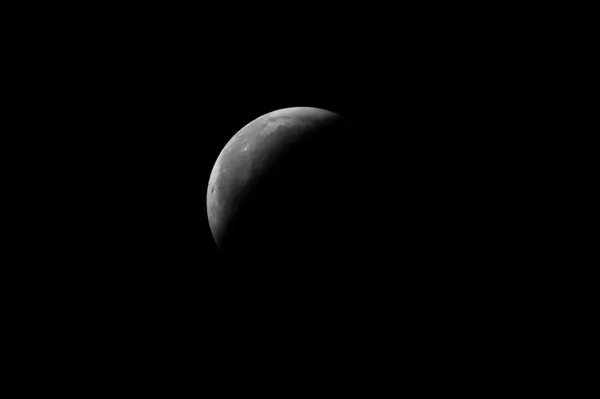
A predawn sky event for Southeast Texas
Houston-area observers will have an opportunity to see a total lunar eclipse early Tuesday, March 3, 2026, when the full Moon passes into Earth’s darkest shadow and can take on a copper-to-red appearance commonly referred to as a “blood moon.” A lunar eclipse is safe to view without protective eyewear because the Moon is reflecting sunlight rather than producing intense light like the Sun.
When the eclipse happens in Houston (Central Time)
The eclipse unfolds over several hours, with the most visually striking phase occurring during totality. The key phases for Houston on March 3 are expected to occur around these local times:
- Penumbra becomes noticeable: about 2:45 a.m.
- Partial eclipse begins: about 3:50 a.m.
- Totality begins: about 5:04 a.m.
- Mid-eclipse: about 5:34 a.m.
- Totality ends: about 6:03 a.m.
- Partial eclipse ends: about 7:18 a.m.
- Penumbra fades from view: about 8:20 a.m.
Because the event occurs near sunrise for the Houston region, the Moon will be lower in the western sky during the later phases, and brightening dawn can reduce contrast—particularly after totality ends.
Why the Moon can turn red
During totality, the Moon is inside Earth’s umbra. Even then, it does not go completely dark because sunlight is bent through Earth’s atmosphere and reaches the lunar surface. Shorter blue wavelengths scatter more readily, while red and orange light passes through more effectively, tinting the Moon. The exact shade can vary from one eclipse to another depending on atmospheric conditions along Earth’s limb at the time of the eclipse.
In practical terms, the Moon’s color during totality can range from muted brownish tones to a deeper brick red, and the intensity can change minute by minute.
How to watch from Houston
No special equipment is required. Binoculars or a small telescope can make the shadow edge and the Moon’s surface features easier to see, especially during the partial phase. For the best chance of a clear view, observers generally benefit from:
- An unobstructed view toward the western sky, where the Moon will sit lower as morning approaches.
- Locations away from bright lights, which can wash out the subtle color shifts during totality.
- Allowing time for eyes to adjust to darkness before totality begins.
Where it will be visible
The March 3, 2026 total lunar eclipse is visible across much of North America in the early morning hours, with other regions seeing it at different local times or only partially. Unlike a solar eclipse, a lunar eclipse is visible anywhere the Moon is above the horizon during the event.
Skywatchers in the Houston area should factor in local cloud cover and haze, which can determine whether the eclipse is fully visible or only intermittently seen.
Warm Breezes and Near-Record Highs Sweep Into Houston

No. 7 Houston rallies past Baylor 77-64 on Senior Night, forcing 18 turnovers at Fertitta Center

Harris County judge Republican primary appears headed to runoff as Sanchez leads and Lancton falls short