Straight-line winds tear roofs from southeast Houston apartments, displacing 78 residents and damaging 20 units
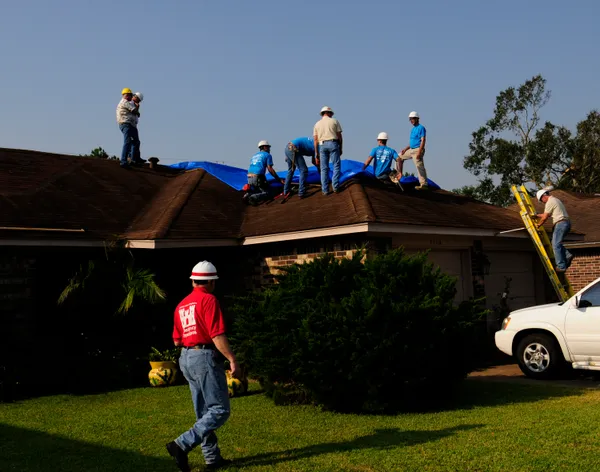
Storm damage centers on MLK Boulevard complex as severe weather sweeps Greater Houston
Powerful storms that moved through Southeast Texas on Saturday night left significant structural damage at an apartment complex in southeast Houston, where straight-line winds tore roof sections from multiple buildings and displaced dozens of residents.
The damage was reported at The Park at Sutton Hill Apartments along Martin Luther King Jr. Boulevard. Emergency assistance teams responded as residents assessed water intrusion and wind-related damage in affected units. By Sunday night, 78 residents had been assisted, and 20 apartment units were reported damaged.
Weather conditions and what is known about the wind impacts
The storm system produced severe thunderstorm conditions across parts of the Houston area, with wind gusts measured near 70 mph in some locations as the line of storms moved through. The pattern of damage in southeast Houston was described as consistent with straight-line winds, a type of severe wind produced by thunderstorms that can cause widespread damage similar to a tornado but typically in a more uniform direction.
Storm-related impacts were not limited to one neighborhood. Damage reports across the region included downed trees and power lines in Splendora, fence damage and a damaged garage door in Sugar Land, reported damage at Barbara Cockrell Elementary School in Pearland along with fences down and trampolines blown into structures, and a damaged or destroyed staircase at a motel in Webster.
Displacement and immediate relief response
For residents whose units were rendered unsafe or unlivable, disaster-response teams provided on-site support focused on short-term needs. Assistance provided to affected residents included comfort care and critical services intended to help households stabilize in the first days following the storm.
While early assessments documented at least 20 damaged units at the MLK Boulevard complex, the number of impacted residents was higher because multiple people can live in each unit and because some residents may be displaced by damage to shared building infrastructure such as roofs and upper-level structures.
What happens next: assessments, repairs, and safety considerations
Following severe weather events, damage assessments typically continue for several days as property managers, insurers, and local officials document structural impacts and verify which units are safe to occupy. Residents affected by roof loss commonly face secondary risks such as water damage, electrical hazards, and falling debris, particularly after follow-on rain.
- Residents may be asked to avoid damaged areas until structural inspections are completed.
- Temporary relocation needs can change as repairs progress and additional damage is identified.
- Regional damage reports may be reviewed to determine whether surveys are needed to classify the cause of damage where questions remain.
The weekend storms produced widespread reports of wind damage across multiple Houston-area communities, underscoring how fast-moving squall lines can generate localized but severe impacts.
Citywide, the episode adds to a growing list of recent weather-driven disruptions for Houston-area residents and property owners, particularly in multifamily housing where roof and upper-structure damage can quickly affect multiple households at once.