Southwest Boeing 737 bound for Houston returns to Denver after mid-air engine cowling failure
Incident during climb prompts precautionary return
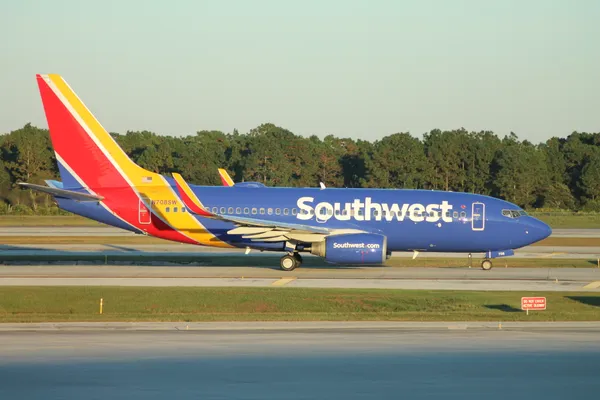
A Southwest Airlines flight scheduled to travel from Denver to Houston returned to Denver International Airport after a mechanical problem affected an engine exterior panel shortly after takeoff. The aircraft, a Boeing 737-800, landed safely back in Denver and taxied to the gate, with no reported injuries.
The event involved a detached or partially detached engine cowling, an exterior covering designed to streamline airflow and protect components. Video circulated publicly showing the cowling moving during flight; the aircraft returned as crews assessed the condition and ensured the airplane could land under normal emergency procedures.
What is known about the aircraft and flight
- The flight was operating on a Denver-to-Houston route and turned back soon after departure.
- The aircraft landed safely and passengers continued their trip on a different plane.
- Federal aviation authorities opened an investigation to determine the initiating cause and contributing factors.
While the cowling is not an engine’s thrust-producing core, its loss or separation can create aerodynamic drag and the potential for secondary damage if parts strike the wing or control surfaces. In this case, the aircraft’s crew followed established protocols to return to the departure airport, where emergency services can respond quickly and maintenance personnel can inspect the airframe.
Why an engine cowling issue is treated seriously
Commercial jets are designed to remain controllable after many types of mechanical abnormalities, including issues affecting non-core engine components. Still, any separation of an exterior panel introduces uncertainty about whether additional fasteners or adjacent structures have been compromised. A return to the airport allows:
- Immediate inspection of the engine nacelle and wing surfaces for impact damage.
- Review of maintenance records and prior write-ups for related components.
- Preservation of evidence needed for an engineering and regulatory analysis.
Investigation focus: maintenance, parts, and inspection practices
Safety investigators typically examine whether the cowling latches were properly secured, whether there were signs of prior wear or damage to hinge points and fasteners, and whether recent maintenance actions created an installation or verification gap. Investigators also review flight data and crew reports to reconstruct when the problem first appeared and how it evolved during climb and maneuvering.
Airlines and regulators treat abnormal engine-nacelle conditions as high-priority events because they can involve structural loads, debris risk, and the possibility of additional component separation.
Operational impact for passengers
After the aircraft returned and was removed from service for inspection, Southwest rebooked affected travelers onto another flight to Houston. Such substitutions are common after mechanical events, allowing the airline to keep schedules moving while the aircraft undergoes a full maintenance review and any required corrective action before returning to service.