Rev. Jesse Jackson dies at 84; his Houston visits spanned campaigns, education stops, and civil rights events
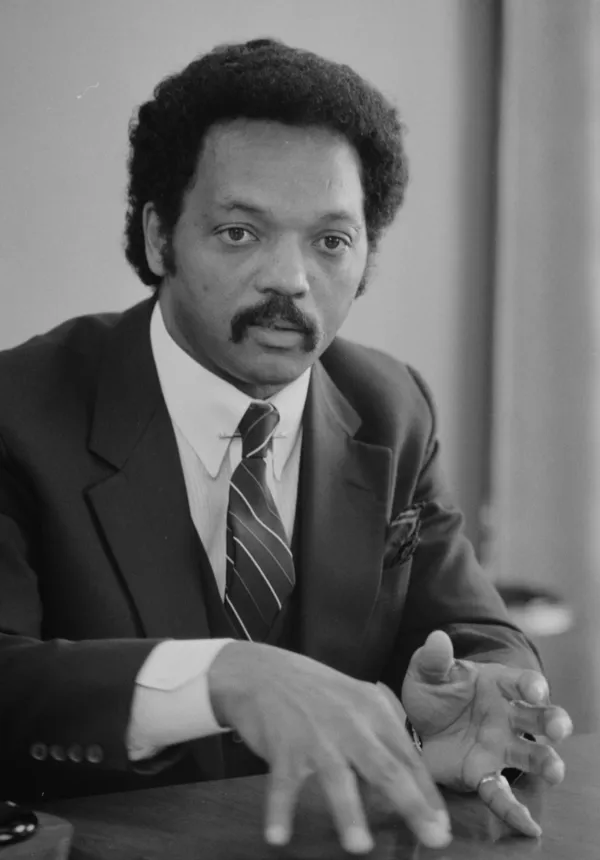
A national civil rights figure with repeated Houston ties
The Rev. Jesse Louis Jackson, a longtime civil rights leader, Baptist minister, and two-time Democratic presidential candidate, died on Feb. 17, 2026, at age 84. Over decades in public life, Jackson made repeated visits to Houston tied to politics, education, and civil rights organizing, including appearances with local clergy and at city institutions.
Houston stops during presidential campaigns
Jackson’s Houston presence expanded during his presidential campaigns in 1984 and 1988, when he made campaign stops in the city as part of his efforts to compete in the Democratic primaries and broaden his political coalition. His candidacies were widely viewed as watershed moments in modern U.S. electoral politics, bringing new attention to voter mobilization and coalition-building within the Democratic Party.
Education-focused appearances across major Houston institutions
Jackson also visited Houston in settings centered on public speaking and civic engagement at local colleges and universities. His Houston itinerary over the years included appearances at Houston Community College, Texas Southern University, and the University of Houston. These events typically placed his civil rights message in conversation with student audiences and community stakeholders, reflecting a pattern in his public work of linking national policy debates to local civic participation.
Death penalty-era mobilization connected to Houston case
One of Jackson’s most visible Houston-related moments came in June 2000, amid controversy surrounding the execution of Gary Graham, also known as Shaka Sankofa, who was convicted in the 1981 killing of Bobby Lambert during a Houston robbery. After the execution, Jackson attended a funeral service in Houston that drew significant public attention and highlighted longstanding divisions over capital punishment, criminal justice, and claims of wrongful conviction.
Organizing footprint and local partnerships
Jackson’s organizational work through Operation PUSH and later the Rainbow/PUSH Coalition helped shape a national network of local initiatives focused on civil rights and economic advocacy. In Houston, Jackson joined with local leaders for organizational events, including the opening of a local Rainbow/PUSH presence in the early 2000s.
Campaign-period visits in the 1980s brought Jackson to Houston as part of Democratic primary organizing.
Public addresses at Houston-area higher-education institutions expanded his engagement with student and civic audiences.
A high-profile June 2000 appearance tied Houston to a national debate over capital punishment and the Graham/Sankofa case.
Jackson’s Houston visits reflected recurring themes of his public work: electoral participation, civil rights advocacy, and alliances with local institutions and clergy.
Further details on memorial services and public observances were expected to be announced in the days following his death.