Private jet linked to Houston crashes during takeoff at Bangor airport as winter storm disrupts flights
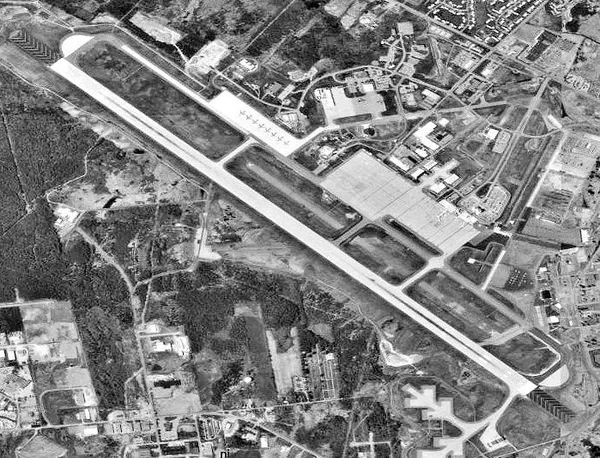
What happened at Bangor International Airport
A private business jet with eight people on board crashed during takeoff at Bangor International Airport in Maine on Sunday evening, January 25, 2026. The incident occurred at about 7:45 p.m. local time and prompted an immediate emergency response and the temporary closure of the airport’s runway.
The aircraft was identified as a Bombardier Challenger 600, a large-cabin business jet typically configured to carry roughly 9 to 11 passengers depending on the interior layout. Officials did not immediately release details about the occupants’ identities or their condition late Sunday night and into early Monday.
Why Houston is part of the story
The jet’s ownership and registration details drew attention in Houston after information circulated that the aircraft was connected to a Houston-based limited liability company. Authorities have not publicly detailed whether the aircraft was based in the Houston region, operated by a Houston-area charter company, or simply registered through an entity linked to the city.
That distinction can matter in aviation records because business jets are frequently registered to LLCs that may be formed in one state while the aircraft operates nationally. As of early Monday, investigators had not announced the operator, the flight’s origin and destination, or the purpose of the trip.
Weather conditions and the broader travel disruption
The crash occurred amid a major winter storm affecting large portions of the eastern United States. Snow, sleet and freezing rain disrupted both air and road travel across multiple regions over the weekend, contributing to extensive flight cancellations and delays nationwide.
- Thousands of flights were canceled across U.S. airports on Sunday.
- Additional delays were reported across major hubs, complicating rerouting and recovery operations for airlines and travelers.
While severe weather can create challenging operating conditions, the cause of this crash has not been established. Investigators typically examine a wide range of factors, including aircraft performance, runway conditions, crew actions, maintenance history, and meteorological data.
What investigators will look for next
The Federal Aviation Administration and the National Transportation Safety Board have opened an investigation. In the early phase of an aviation inquiry, investigators generally secure the site, document wreckage patterns, collect recordings and operational data when available, and interview witnesses and first responders.
At this stage, officials have not publicly identified a single factor as responsible for the crash.
Any confirmed findings—such as mechanical issues, runway or weather-related hazards, or operational factors—are expected to emerge only after preliminary fieldwork and subsequent technical analysis.