New Houston-area survey shows high-cost loans often cover rent, groceries, and routine household bills
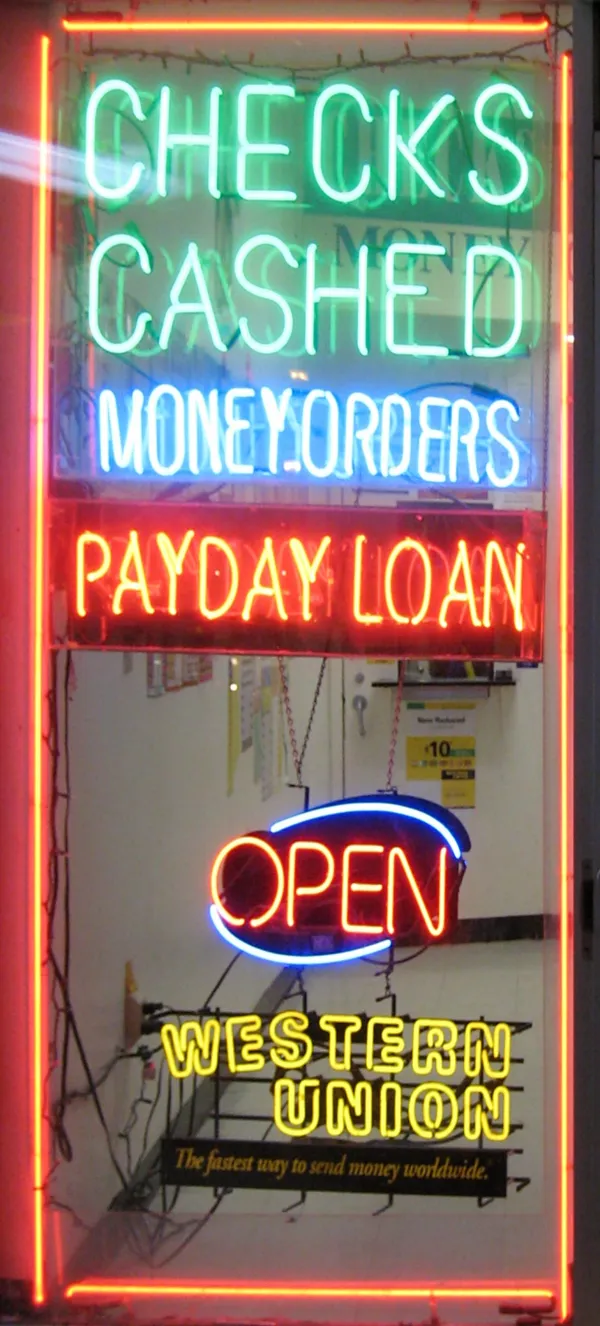
High-cost borrowing is widespread in a city with growth alongside persistent financial strain
Nearly one in five Houston-area residents reported using at least one high-cost lending product within the prior year, a level far above the national rate measured in recent federal surveys of alternative financial services use. The products include payday loans, pawnshop loans, auto title loans and tax refund advances—forms of small-dollar credit that typically come with high fees and high effective borrowing costs.
The findings come from a large local survey of Harris County residents conducted in late 2024 in English and Spanish. Researchers focused on how often residents use high-cost loans and what pressures or barriers push households toward them.
Borrowers most often cite basic needs, not discretionary spending
Among residents who used a high-cost loan, the most common reasons were tied to day-to-day necessities. Reported uses clustered around food, housing and recurring bills, suggesting many households are relying on short-term credit to bridge routine cash-flow gaps.
- 57% used the money for food and groceries
- 51% used it for rent or mortgage payments
- 47% used it for regular expenses such as utilities, car payments, credit card bills or prescriptions
- 40% used it for unexpected expenses including repairs or emergency medical-related costs
Payday loans were the most frequently used product, followed by pawn loans, auto title loans and tax refund advances. Nearly 40% of borrowers said they used more than one type of high-cost product in the same year, a pattern consistent with households cycling among multiple sources of expensive credit.
Credit constraints and limited savings strongly correlate with use
Access to traditional credit emerged as a key dividing line. Residents who sought a loan and were denied were substantially more likely to turn to high-cost lenders than residents approved for the full amount they requested. Lower credit scores also aligned with higher use, underscoring how underwriting standards in mainstream credit markets can redirect financially stressed households toward costlier alternatives.
Emergency savings appeared to be a major buffer. Households with at least three months of expenses saved were markedly less likely to use high-cost loans, while households without that cushion were more exposed to small financial shocks that can trigger borrowing.
Disparities by race and ethnicity, and a local policy backdrop
The survey documented significant differences in usage across racial and ethnic groups. About 34% of Black residents and 21% of Hispanic residents reported using a high-cost lending product in the prior year, compared with 10% of white residents and 6% of Asian residents.
Houston has a local regulatory framework for credit access businesses—often associated with payday and title lending. City rules require annual registration and set limits on loan sizes tied to income, including caps for payday-style loans and motor-vehicle title loans. Even with these limits, the survey suggests many residents continue to rely on high-cost credit when wages, housing costs and everyday expenses do not align.
For many households, high-cost loans function less as optional credit and more as a stopgap for essentials when cash reserves and mainstream borrowing options are limited.
The researchers also cautioned that shifts in access to mainstream credit could increase reliance on these products among households already operating with little financial cushion.