Multi-vehicle crash shuts down I-610 West Loop southbound at Westheimer, triggering major Galleria-area delays
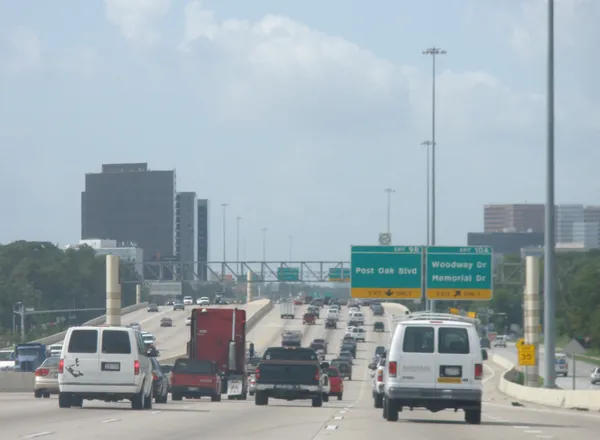
What happened and where the shutdown occurred
A multi-vehicle crash forced a shutdown of the southbound main lanes of Interstate 610’s West Loop at Westheimer Road in Houston’s Galleria/Uptown area, disrupting one of the region’s most heavily traveled freeway segments. The incident drew emergency response and led to extended congestion as traffic was diverted onto frontage roads and nearby arterial streets.
The crash location—near the Westheimer interchange—sits at the center of several high-demand commuter and commercial corridors, including the Uptown/Galleria district, the US 59/I-69 Southwest Freeway interchange area, and Westheimer Road’s dense retail and office zones. When southbound lanes are blocked at this point, backups can build quickly and spill into adjacent interchanges and surface streets.
Immediate impacts on traffic and nearby streets
The closure constrained southbound throughput on the West Loop and created a cascading effect across parallel routes. Drivers seeking to bypass the blockage typically shift to frontage roads and surface alternatives such as Westheimer Road, Richmond Avenue, San Felipe Street, Post Oak Boulevard, and other east–west connectors. Those diversions can slow local intersections and ramp merges, particularly during peak travel hours.
- Southbound I-610 congestion extending north of the Westheimer area as vehicles approached the closure.
- Frontage roads carrying rerouted traffic, increasing conflicts at entrances, exits, and signalized intersections.
- Knock-on delays for motorists transferring between the West Loop and nearby freeways, including I-69/US 59.
Response operations and why clear times vary
Lane-blocking crashes on high-speed, multi-lane freeways typically require multiple phases of response: securing the scene, medical care and transport when needed, investigating crash circumstances, and clearing damaged vehicles and debris. When more than one vehicle is involved, the time required often increases due to the number of parties, towing needs, and the potential for secondary hazards such as fluid spills or damaged barriers.
Because the Westheimer interchange sits in a tightly spaced sequence of ramps and merges, even short-term lane losses can trigger abrupt slowdowns and raise the risk of secondary crashes upstream.
Broader context: a recurring bottleneck in Houston’s core loop
The I-610 West Loop is a long-standing chokepoint for Houston traffic, particularly near the Uptown/Galleria area where major employment centers, retail destinations, and freeway-to-freeway connections converge. Incidents at or near Westheimer have repeatedly produced full or partial lane closures over the years, reflecting the corridor’s high traffic volumes and the limited room available for emergency operations once a crash occurs.
What drivers should watch for after a major closure
Even after lanes reopen, residual congestion can persist as the queue dissipates and as drivers merge back from frontage roads. Motorists returning to the area after a significant shutdown often encounter stop-and-go conditions, uneven speeds, and heavy merging near on-ramps and exits. Transportation agencies and emergency responders generally urge drivers to slow down in the approach, avoid last-second lane changes, and remain alert for stopped traffic around curves and ramp junctions.