Loose pigs damage yards in Spring’s Louetta Lakes as officials cite limited enforcement options
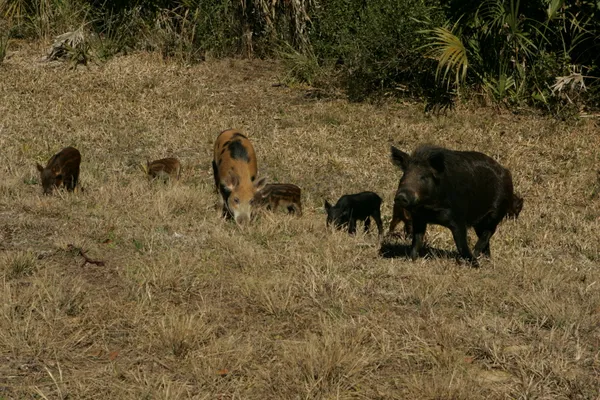
Pigs repeatedly enter neighborhood yards
Residents of Louetta Lakes in Spring, in northwest Harris County, reported ongoing yard damage this week after multiple pigs were seen rooting through lawns and flower beds near a wooded area. Videos from the neighborhood show the animals moving through front yards in daylight, leaving churned soil and torn landscaping.
The incidents were reported on January 20, 2026, as homeowners described recurring visits that have damaged grass and planted areas along the neighborhood’s edge. Residents said the animals return even after being chased away, creating an ongoing maintenance and safety concern for families and pet owners.
Owner identified, but capture remains unresolved
The pigs were traced to an owner who told reporters the animals have avoided capture because they have encountered traps before and now recognize them. While the pigs were driven back into nearby woods during the day, no lasting containment was reported as of Tuesday afternoon.
Neighborhood representatives said they had reached out widely for assistance as damage accumulated. The situation has raised a practical question for residents: who is responsible for removal when loose pigs are present, but are not being immediately collected.
Why response can be complicated
Local enforcement boundaries and agency missions can limit how quickly problems like this are solved. A spokesperson for the Harris County Sheriff’s Office said its Livestock Unit is not able to assist with pigs in this case. Texas Parks and Wildlife has also stated it does not manage or regulate feral hogs, leaving residents largely dependent on private action, landowner decisions, and local ordinances that may vary by jurisdiction and circumstance.
The result can be a gap between residents’ expectations of a rapid public response and the operational reality of who can legally and practically intervene on private property, in wooded corridors, or where animals move between parcels.
Options facing the homeowners association
With repeated incursions and limited direct public assistance, residents and the homeowners association described two main paths forward:
Hire professional trapping services capable of placing and monitoring equipment and relocating it as conditions change.
Work with the identified owner on containment and recovery, including improving fencing, controlling access points, and arranging retrieval when the pigs are located.
Broader context: yard damage and public-safety concerns
Wild and loose hogs are known to cause property damage primarily by rooting, a feeding behavior that can rapidly tear up turf and landscaping. Public-safety concerns typically focus on unpredictable animal behavior, potential conflicts with pets, and the risks that arise when residents attempt to approach or corner large animals.
Residents described the situation as escalating from an unusual sight to a recurring, costly problem affecting multiple properties.
What happens next
As of January 20, no definitive capture or long-term containment plan had been publicly confirmed for the Louetta Lakes pigs. Residents said the damage pattern and the animals’ repeated returns suggest the issue is unlikely to resolve without coordinated action between the owner and a professional removal plan.
For homeowners, the immediate impact is visible in torn lawns and flower beds; for the neighborhood, the longer-term challenge is preventing repeated access from the wooded perimeter where the pigs have been retreating.