How Houston residents can protect people, pets, plants and pipes as arctic air arrives
Cold snaps in a warm-climate city can create outsized risks
Arctic air moving into the Houston area typically brings a combination of below-freezing temperatures, strong winds and rapid temperature drops that can strain household heating, damage exposed plumbing and threaten vulnerable people and animals. The region’s infrastructure and many homes are not designed for prolonged freezes, making preparation steps before temperatures fall especially important.
People: prioritize heat, avoid poisoning hazards, and check on those at higher risk
Health risks rise quickly when wind chills push “feels like” temperatures into the 20s. Older adults, infants, people with chronic conditions and anyone without reliable heating face higher danger from hypothermia. Residents are urged to limit time outdoors, dress in layers and ensure indoor heating is functioning before the coldest hours. If space heaters are used, they should be kept away from flammable materials and placed on stable surfaces. Improvised heating methods that involve open flames or combustion indoors can create life-threatening carbon monoxide exposure.
Cold weather also increases roadway hazards—especially bridges and overpasses that freeze first—so reducing nonessential travel during icy conditions lowers crash risk and keeps emergency resources available.
Pets: bring animals indoors and plan for power disruptions
Cold that is uncomfortable for people can be dangerous for pets. Animals that normally stay outside should be moved indoors or into a warm, enclosed area with dry bedding. Pet owners should confirm access to unfrozen drinking water and keep extra food and any required medications on hand in case travel becomes difficult.
Plants: cover sensitive landscaping and container plants
Many common Houston-area plants are vulnerable at or below 32°F. Sensitive plants can be protected by covering them before nightfall using cloth coverings that trap ground heat. Container plants cool faster than in-ground landscaping; moving them into a garage or sheltered area can reduce freeze damage.
Pipes: the Houston-specific faucet question and practical steps to prevent bursts
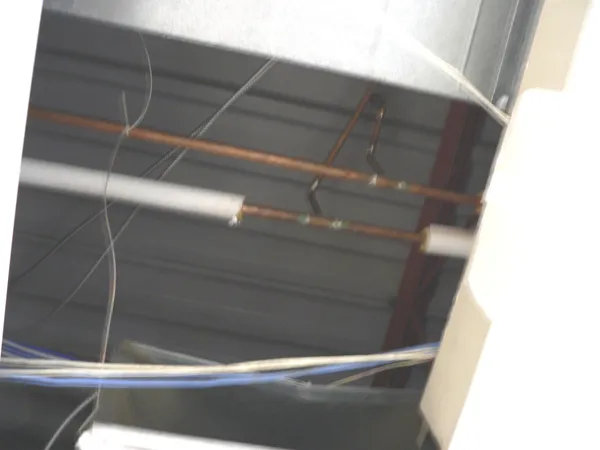
Frozen pipes can burst because water expands as it turns to ice, creating pressure inside the line. The highest-risk plumbing includes outdoor hose bibs, sprinkler or pool supply lines, pipes in unheated spaces (garages, attics, crawl spaces), and lines running along exterior walls with limited insulation.
In Houston, local officials have repeatedly warned that mass faucet-dripping can reduce overall water pressure because much of the city’s system relies on ground-based pumping rather than elevated water towers. That creates a key distinction: some suburban systems and municipal utility districts may recommend a light trickle, while many households served by the City of Houston are advised to prioritize insulation and targeted preparation instead of widespread dripping.
- Disconnect, drain and store outdoor hoses; cover or wrap outdoor spigots.
- Wrap exposed pipes in unheated areas and those that froze in past cold events.
- Open cabinet doors under sinks on exterior walls to circulate warm air.
- Shut off and drain irrigation lines where possible; follow pool and sprinkler manufacturer guidance.
- If leaving town, locate the main shutoff valve and consider shutting off water service; keep indoor heat on at a safe minimum.
If a pipe is suspected frozen—such as when a faucet only produces a trickle—keep the faucet open and apply gentle heat with an electric heating pad or hair dryer. Avoid open-flame devices.