Houston’s Cafe Annie, an early Southwestern cuisine landmark, closed in 2009 after 28 years
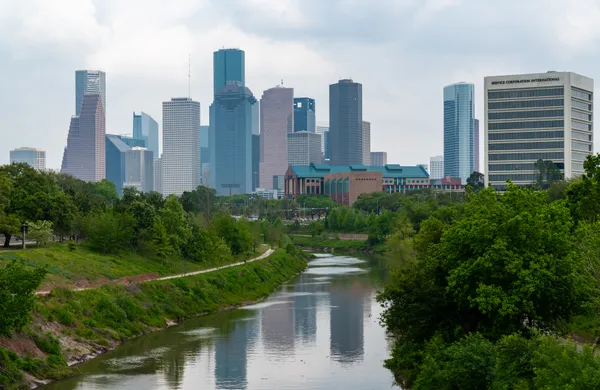
A defining Houston dining room ended its original run as redevelopment reshaped the neighborhood
Cafe Annie, a Houston restaurant widely credited with helping define the city’s early Southwestern cuisine movement, ended its original operation in 2009 after a 28-year run. The restaurant first opened in 1981 and became closely associated with chef Robert Del Grande and a menu that blended regional Texas ingredients with Mexican influences and contemporary American technique.
In its original form, Cafe Annie was known for dishes that later became broadly imitated in Houston and beyond—items such as coffee-rubbed beef tenderloin and crab-and-avocado tostadas were among the preparations frequently cited as emblematic of the restaurant’s style. The restaurant’s prominence also positioned it as an influential training ground and a high-visibility dining room during a period when Houston’s restaurant scene was expanding in ambition and national recognition.
What the closure marked for Houston’s restaurant landscape
The 2009 closure did not occur in isolation. Houston’s dining industry has long been shaped by cycles of development, rising land values, shifting consumer preferences, and the high fixed costs of operating full-service restaurants. In Cafe Annie’s case, the end of its original run coincided with significant changes to the area’s built environment, reflecting how long-tenured restaurants can be vulnerable when the underlying real estate is repurposed.
At the time, the closure represented more than the loss of a popular reservation: it marked the end of a specific era in Houston dining, when “Southwestern” functioned as a forward-looking culinary identity rather than a retrospective label. For many diners, Cafe Annie’s final weeks underscored how quickly landmark institutions can be displaced even as their influence persists in menus across the city.
Continuity through reinvention
Although the original Cafe Annie closed in 2009, the brand identity and the chef’s culinary imprint did not disappear from Houston. The restaurant later continued under different naming and branding, including a period operating as RDG + Bar Annie, and it subsequently returned to the Cafe Annie name. Those later iterations carried forward signature dishes and stylistic touchstones associated with the original concept, while adapting to a market with different expectations for atmosphere, pricing, and dining patterns.
Why the story remains relevant
Institutional impact: Cafe Annie helped normalize a regional, ingredient-driven approach that influenced a generation of Houston chefs and restaurants.
Economic pressures: The original closure illustrates how redevelopment and operating economics can reshape even highly established dining rooms.
Legacy beyond a single address: The restaurant’s continued presence under later formats shows how marquee concepts can evolve while preserving recognizable culinary DNA.
Cafe Annie’s 2009 closure ended its original 28-year chapter, but its role in Houston’s culinary history remains a reference point for the city’s modern restaurant identity.