Houston’s $30 million demolition plan targets flood-risk structures, leaving most dangerous buildings still standing
New money, narrower mission
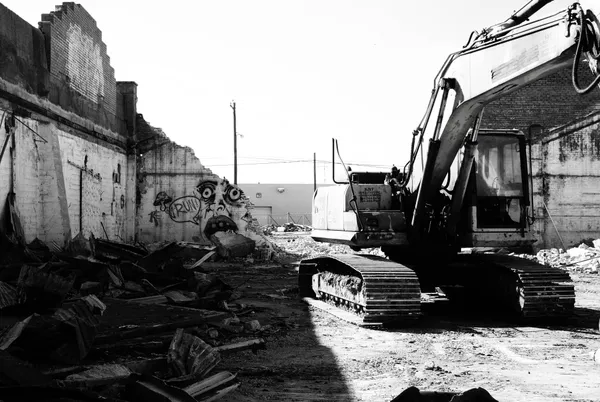
Houston has approved a plan to use $30 million from the city’s Stormwater Fund to demolish certain abandoned and dangerous structures, after a split City Council vote on Jan. 7, 2026. The decision is designed to address buildings considered a direct risk to the stormwater and drainage network, a framing that shaped both the program’s scope and the limits on what it can accomplish.
The funding is restricted to properties that meet stormwater-related criteria rather than serving as a citywide demolition solution for all dangerous buildings. City officials have said more than 2,000 properties are under review, while about 343 structures have already cleared the required hearing process for demolition and could be eligible for stormwater-funded removal if they satisfy the stormwater nexus tests. That gap between the broader inventory and the narrower eligible pool explains why even a substantial allocation will not eliminate Houston’s backlog of unsafe structures.
How buildings qualify for stormwater-funded demolition
Houston Public Works has outlined a screening approach intended to tie demolition spending to drainage outcomes. Properties are expected to qualify if they meet stormwater-impact criteria, including location and risk factors that increase the likelihood of obstructing runoff pathways or contributing debris to the system.
- Location within a 100-year or 500-year floodplain
- Adjacency to drainage infrastructure such as ditches, channels, outfalls, or inlets
- Evidence that a structure’s condition creates severe obstruction risks through runoff impacts or loose debris
- Placement within drainage-influenced areas identified through city operations reviews
The program also includes cleanup components beyond demolition, such as debris removal, site regrading, and reducing impervious surfaces—steps meant to improve drainage function on and around cleared lots.
Legal and governance conflict over the stormwater fund
The vote unfolded amid a public dispute between the mayor’s administration and the city controller over whether stormwater dollars can legally be used for demolitions that are traditionally associated with code enforcement. The controller argued the stormwater fund is not a general-purpose account and warned that expanding its use could violate governing boundaries for the fund. The city attorney advised that the plan is a permissible use when the city can show the structures impede or threaten stormwater infrastructure.
The core disagreement was not whether abandoned structures are a public hazard, but whether the Stormwater Fund can be used broadly for blight removal or only when a direct drainage connection is demonstrated.
Why the backlog remains
Even supporters describe the initiative as targeted rather than comprehensive. The dollar amount, while large, is expected to fund only a portion of the city’s demolition queue because each property must complete procedural steps and satisfy stormwater-related eligibility. The program is also limited by practical constraints: inspection capacity, case processing timelines, hearing requirements, contractor availability, and the fact that not every dangerous building can be linked to drainage impacts under the program’s criteria.
As a result, the new funding is positioned to accelerate removals in flood-risk contexts, but it does not replace the broader, long-term need for funding streams and enforcement tools aimed at the full range of unsafe structures across Houston neighborhoods.