Houston safety-net health systems press ahead with expansion plans as House ACA bill reshapes coverage
A shifting federal coverage landscape meets long-term local capacity planning
Houston’s public and nonprofit health systems that care for uninsured and underinsured residents are continuing major capital and service planning even as federal policy debates reopen questions about coverage levels and hospital finances. The central issue for safety-net providers is not only how many people hold insurance cards, but also whether coverage remains stable enough to keep patients connected to primary care rather than episodic emergency care.
Nationally, Affordable Care Act marketplace enrollment has softened as enhanced premium subsidies expired at the start of 2026, raising premiums for many consumers. At the same time, House-passed federal proposals and related administrative rules have focused on tightening eligibility verification and changing how marketplace coverage functions, creating additional uncertainty for people who move in and out of coverage due to income fluctuations or documentation barriers.
Harris Health builds for demand that is already exceeding capacity
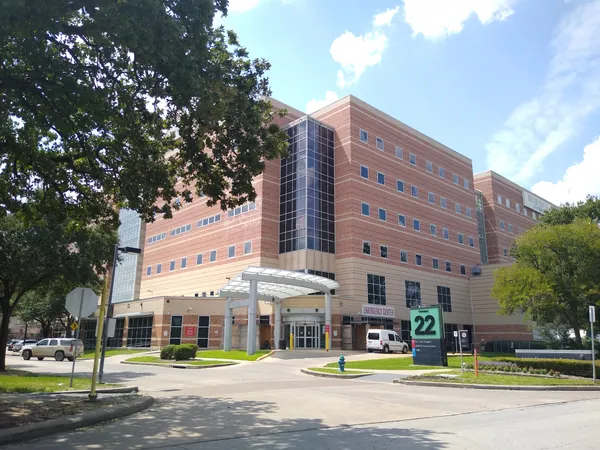
Harris Health, which operates Ben Taub Hospital and Lyndon B. Johnson (LBJ) Hospital, is moving forward with a multi-year facilities plan approved by Harris County voters in November 2023. Construction is underway on a new hospital at the LBJ campus intended to be trauma-capable, with the system describing it as part of a long-range expansion designed to add inpatient and emergency capacity and reduce strain at existing sites.
The plan also includes major work at Ben Taub. Harris Health has said Ben Taub is consistently operating beyond its maximum capacity and that overcrowding can require patients to wait in temporary locations and can force coordination with emergency partners to route some patients to other hospitals when beds are unavailable. In early January 2026, Harris Health published updated project information tying near-term bed additions to expected growth in demand and to anticipated shifts in insurance and funding that could increase reliance on the public system.
- New LBJ-campus hospital: a major inpatient expansion project under construction, with an opening timeline projected for late 2028 and broader program completion extending into 2029.
- Ben Taub expansion planning: a bed-capacity project designed as an interim solution while longer-term replacement options remain decades away.
- Community-based access: new outpatient and primary-care investments intended to reduce avoidable hospital demand.
Why marketplace and Medicaid policy matters for Houston’s safety net
Houston sits in a state that has not adopted Medicaid expansion under the ACA, leaving a large population dependent on a patchwork of limited coverage, subsidized marketplace plans, charity care, and public programs. When marketplace premiums rise or eligibility processes become more complex, safety-net providers typically see greater demand for uncompensated care and for services that could have been addressed earlier in lower-cost settings.
In practical terms, that can translate into higher emergency department volumes, greater financial pressure on hospital districts and county budgets, and increased demand for charitable clinics and federally supported community health centers.
What to watch in 2026 for Houston patients and providers
Key indicators include marketplace retention after the first premium bills arrive, the pace of uninsured growth, and whether federal rules change auto-renewal and special enrollment pathways.
Locally, the most immediate measure will be whether capacity constraints at Ben Taub and LBJ ease as projects progress, and whether expanded outpatient access can absorb demand that would otherwise land in emergency departments. For Houston’s safety net, construction timelines are long, but the coverage pressures created by federal policy shifts can arrive quickly—forcing systems to plan for both realities at once.