Houston residents urged to prepare as freezing temperatures approach; key local resources and safety steps outlined
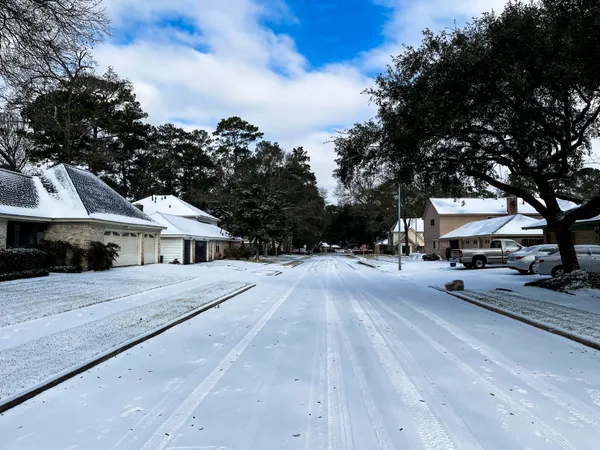
Freezing temperatures expected; city and county systems activate cold-weather planning
Houston periodically experiences winter weather capable of driving temperatures below 32°F, creating risks that range from hypothermia and carbon monoxide exposure to frozen pipes and dangerous driving conditions on bridges and overpasses. Local emergency guidance emphasizes early preparation because impacts can arrive overnight and vary widely across the metro area.
National Weather Service alerts used in the Houston-Galveston region generally distinguish between a freeze watch (conditions possible) and a freeze warning (conditions expected). Hard-freeze language may be used when very low temperatures are expected for a sustained period, raising the likelihood of major damage to exposed plumbing and sensitive vegetation.
Where to get official, real-time information
Residents are advised to monitor local forecasts and official emergency updates frequently during cold spells, especially when precipitation is possible. Core information channels typically include:
- National Weather Service forecasts, advisories and warnings for the Houston-Galveston area
- City of Houston emergency management updates, including any changes to public services
- Harris County emergency messaging for county-operated resources and community impacts
Warming centers and overnight shelter options
During significant cold events, Houston and Harris County have opened warming centers in prior freezes, using public facilities such as multi-service centers to provide a heated place to stay overnight. When activated, these sites may include specialized options for families and residents needing additional services, and the hours of operation can change based on forecast thresholds and observed conditions.
Residents without reliable heat are urged to identify a safe, heated location before nighttime temperatures drop, including checking whether city or county warming centers are opening and what transportation options are available.
Water and pipes: why Houston’s guidance can differ from other Texas cities
Cold-weather pipe protection advice is not one-size-fits-all across the region. Houston Public Works has repeatedly warned that routine faucet-dripping is not recommended for most customers inside the City of Houston because the city’s water distribution relies heavily on re-pump stations rather than water towers. Large-scale dripping can reduce system pressure, creating risks for residents and firefighting capability.
Instead, common steps promoted locally include insulating exposed pipes, opening cabinet doors under sinks on exterior walls to allow warmer air to circulate, removing and draining outdoor hoses, and knowing how to shut off water at the home’s main valve in case a pipe fails.
Household safety checklist before the first hard freeze
- Confirm safe indoor heating and keep fuel-burning devices properly vented.
- Charge phones and power banks; prepare flashlights and spare batteries for outages.
- Check on older adults, medically vulnerable neighbors, and anyone without stable housing.
- Bring pets indoors or ensure warm, dry shelter and unfrozen water.
- Limit travel during icy conditions, especially early mornings, and avoid overpasses when roads are slick.
Officials generally stress that preparedness decisions should be based on the specific forecast for a resident’s location—inside or outside city limits, and whether the home is served by a city pumping system or a water-tower-based utility—because those details can change the safest actions during a freeze.