Houston police prepare crowd-management tactics for World Cup-era fan marches and sudden street gatherings
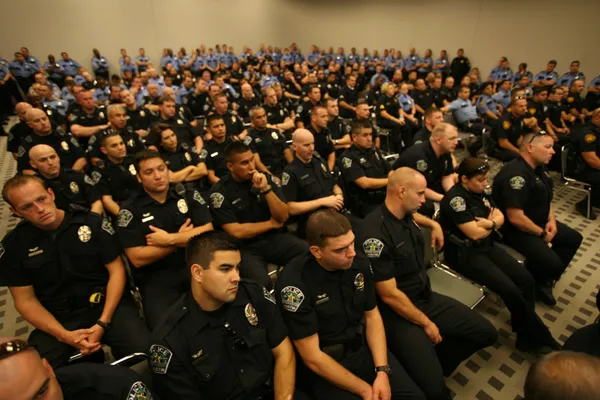
Houston braces for tournament crowds beyond the stadium
Houston’s public-safety planning for the 2026 FIFA World Cup is expanding beyond match-day operations at NRG Stadium to include the kinds of crowd movements that often develop around major soccer tournaments: organized supporter marches, impromptu celebrations, and spontaneous gatherings in dense entertainment areas.
Houston is scheduled to host seven World Cup matches at NRG Stadium. The broader footprint of tournament activity is expected to include a monthlong FIFA Fan Festival in East Downtown (EaDo), planned for the area around and south of Shell Energy Stadium. Organizers have described a multi-block setup using streets, parking areas, green spaces and indoor venues, with daily programming aligned to the tournament calendar.
Why marches and “flash” gatherings are central to planning
World Cup host cities typically face a dual public-order challenge: predictable surges tied to match times and less predictable, fast-forming assemblies tied to results, rival fan interactions, transportation disruptions, weather events, or unrelated civic demonstrations occurring during the same period.
Houston police training tailored to fan marches and sudden gatherings is designed to address those dynamics by focusing on controlled movement, de-escalation, and rapid coordination with traffic management and medical response. The goal is to keep large groups moving safely through shared public space while minimizing the risk of crush conditions, vehicle–pedestrian conflicts, and secondary incidents that can occur when crowds spill into roadways.
Key operational issues law enforcement must solve
Route management and traffic control: Marches can intersect with freeway access points and major arterials, particularly as visitors move between Downtown, EaDo and the NRG area.
Perimeter and pedestrian safety: Multi-block fan zones require flexible barriers, controlled entry points where applicable, and clear emergency egress routes.
Unified command and communications: Crowd events often involve overlapping jurisdictions and partners, including city departments responsible for transportation and public works, plus regional and federal entities for major-event security.
Medical readiness: High heat, long walking distances, and prolonged outdoor queuing increase the likelihood of heat-related illness and dehydration during June and July.
How World Cup sites reshape Houston’s event map
Unlike a single-venue event, the World Cup concentrates demand across multiple hubs. In Houston, the match venue at NRG Stadium and the Fan Festival site in EaDo create parallel magnets for crowds, including on days when Houston is not hosting a match. The Fan Festival is expected to operate across most tournament days, anchoring viewing parties and cultural programming that can generate their own peaks in foot traffic.
For policing, that means planning must account for both scheduled events and the street-level momentum that can build after marquee matches—even if those matches are played in another city.
What residents and visitors should expect
As the tournament approaches, residents should anticipate visible preparations that prioritize pedestrian flow and public-order readiness in areas likely to draw concentrated crowds, including Downtown and EaDo. Visitors should also expect real-time crowd and traffic direction around supporter activity, with the potential for temporary street closures, staged crossings, and controlled movement along designated routes during peak periods.
Houston’s training emphasis reflects a central lesson from large global events: the most complex public-safety moments often happen in the spaces between venues, when crowds are moving, celebrations are unfolding, and the situation can change quickly.