Houston oil firms explore Venezuela projects as Caracas advances reforms and U.S. sanctions questions persist
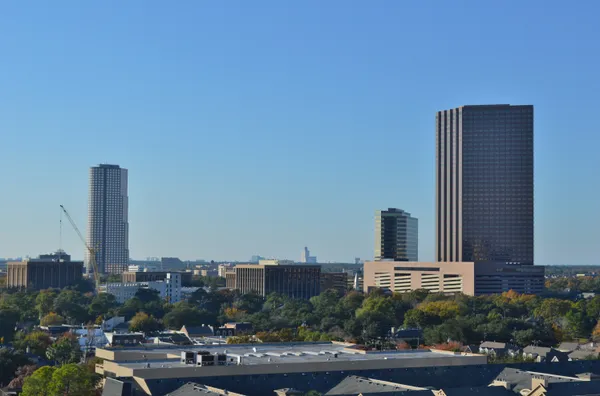
Houston’s energy corridor turns attention to Venezuela
Houston’s oil-and-gas ecosystem is weighing early-stage opportunities in Venezuela as political change in Caracas and a draft overhaul of the country’s hydrocarbons framework prompt renewed commercial interest. Discussions inside Houston range from services and logistics to potential upstream rehabilitation, but any near-term activity remains constrained by U.S. sanctions compliance and financing barriers.
Several proposals now circulating among executives and investors hinge on rebuilding basic oil infrastructure that deteriorated over years of underinvestment. One plan under consideration involves refurbishing an existing marine terminal, building additional export-capable capacity, and converting older facilities to handle chemicals and other products. Estimated costs span roughly $250 million to $1 billion, with timelines that could extend from three to ten years depending on permitting, engineering scope, and access to reliable power.
Caracas moves to change the rules for investment
Venezuela’s National Assembly approved a hydrocarbons law reform in an initial vote on January 22, 2026, launching a legislative process that still requires further debate and another vote before enactment. The proposed changes are designed to make investment structures more flexible and improve commercial terms for private participation while keeping the state oil company, Petróleos de Venezuela (PDVSA), central to the sector’s architecture.
- Royalty provisions would retain a baseline rate but allow reductions in certain cases, down to 15%, to support project viability.
- The draft would permit private companies in PDVSA joint ventures to directly market their share of crude production.
- It would broaden financial operating options, including the ability to manage proceeds across currencies and jurisdictions.
- It also introduces expanded dispute-resolution avenues, including mediation and arbitration mechanisms, alongside domestic courts.
Sanctions, licensing, and banking constraints shape the timeline
For U.S.-linked firms, the commercial question is not limited to geology or engineering. Any work tied to Venezuela’s oil sector typically requires a license or waiver from the U.S. Treasury Department, and global banks have maintained tight restrictions on Venezuela-related transactions under sanctions frameworks. These constraints affect the ability to finance projects, contract for equipment, insure shipments, and pay vendors—often determining whether proposals can move beyond preliminary modeling.
Operationally, the fastest path to higher output is widely viewed as coming from existing producing assets and facilities that can be stabilized with repairs, reliable diluent supply for heavy crude, and power-system upgrades—rather than from new greenfield developments. In Houston, service providers report heightened inquiries about Venezuela-related work, reflecting demand for technical assessments, field rehabilitation plans, and export logistics studies.
Venezuela holds the world’s largest proven oil reserves, but translating reserves into exports depends on infrastructure, contract terms, and sanctions clearance.
What comes next
The immediate watchpoints are legislative: whether the reform advances through final approval and how implementing regulations define contract models, marketing rights, and fiscal flexibility. On the U.S. side, the decisive factor is the scope and durability of any licensing path that would allow American participation without triggering sanctions exposure. Until those pieces align, Houston’s “Venezuela rush” is likely to remain a pipeline of proposals, due diligence, and conditional commitments rather than a rapid surge of on-the-ground activity.