Houston officials seek accountability after more than 120 historic Freedmen’s Town bricks were improperly removed
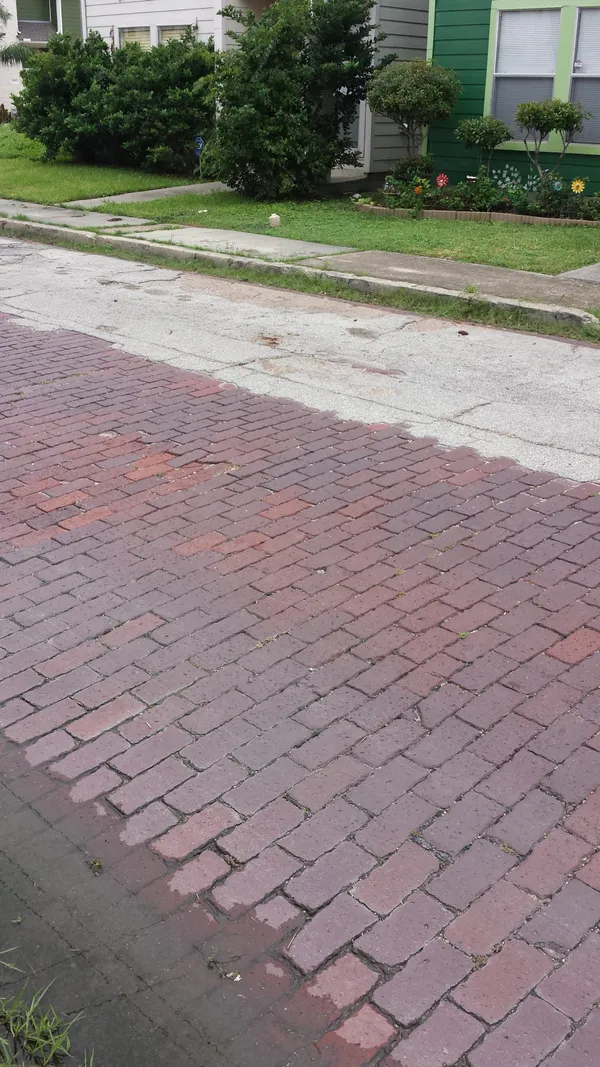
Incident reported on Wilson Street in the Fourth Ward historic district
Houston community leaders and city officials are seeking answers after more than 120 historic paving bricks were removed from a Freedmen’s Town street without required preservation safeguards. The incident was reported after construction crews working near Wilson Street lifted bricks from the historic roadway; at least seven bricks were reported damaged.
The work was tied to a private development project involving access to a water line. City leaders said the activity did not follow established procedures intended to protect historic materials in public rights-of-way within the district.
Why the bricks are protected and why the removal matters
Freedmen’s Town, established in 1865 by formerly enslaved people, is a foundational site in Houston’s Black history. The neighborhood’s brick-paved streets—laid by hand more than a century ago—are among its most visible and culturally significant features.
In 2021, Houston City Council created a formal Heritage District designation for Freedmen’s Town, a policy framework intended to support preservation and restoration of cultural landmarks in the public realm, including the brick streets. The designation was designed to enable coordinated stewardship and fundraising for maintenance while infrastructure needs are addressed.
What city leaders say protocols require
City Councilmember Abbie Kamin, whose district includes Freedmen’s Town, said required protocols were not followed during the work. Those protocols include having an appropriate on-site steward—such as a historian, inspector, archaeologist, or trained community representative—present during construction activity that could affect historic bricks, as well as cataloging any bricks that are removed.
Kamin called for citations to be issued in connection with the incident, describing the improper handling as part of a recurring set of problems tied to construction activity around the protected streets.
- More than 120 bricks were reported removed from the historic street surface.
- Seven bricks were reported damaged.
- Work was linked to water-line access on Wilson Street by a private developer.
- Preservation measures required for work near historic features were reported absent.
Community response and next steps
Joe Panzarella, president of the Freedmen’s Town Super Neighborhood, said the private developer involved was not affiliated with local preservation or civic organizations active in the area. He said community leaders were working with city officials to pursue accountability and prevent similar incidents. He also reported that, despite damage to some bricks, the remaining bricks were believed to be safe.
City leaders have emphasized that removal or damage of historic bricks—even in small numbers—can undermine preservation work that depends on careful documentation, controlled handling, and transparent oversight.
The incident is likely to intensify ongoing coordination between preservation advocates and city departments as Freedmen’s Town simultaneously faces aging infrastructure needs and heightened efforts to safeguard cultural assets embedded in its streetscape.