Houston officials begin process to rename Cesar Chavez Boulevard after newly publicized sexual abuse allegations
Renaming proposal raised at City Council
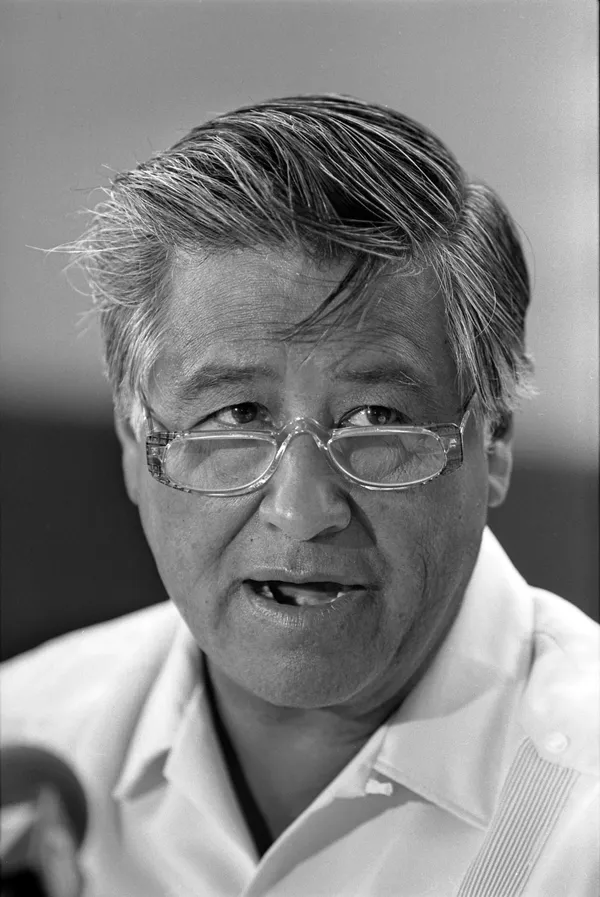
Houston officials have started the process of changing the name of Cesar Chavez Boulevard in the city’s Magnolia Park area after recent, widely circulated sexual abuse allegations involving César Chávez, the late labor leader and civil rights figure. The proposal was raised during a Wednesday Houston City Council meeting by Council Member Joaquin Martinez, whose district includes the roadway. Mayor John Whitmire said during the discussion that the renaming process was moving forward.
Why the issue resurfaced now
The renewed local debate follows recent reporting that brought forward allegations of sexual abuse tied to Chávez’s legacy. The allegations have prompted reconsideration of honors and commemorations bearing his name beyond Houston, including cancellations or pauses of events and tributes in other jurisdictions.
Local context: what the boulevard represents in the East End
Cesar Chavez Boulevard is located in Houston’s East End and is associated with Magnolia Park, a historically working-class neighborhood that has long been shaped by Latino communities. In Houston, César Chávez’s name has been used in civic recognition beyond the boulevard itself, including the METRORail Cesar Chavez/67th Street station, reflecting the broader historical practice of naming public infrastructure after nationally recognized figures.
How street renaming typically affects residents and businesses
Changing a street name can create a cascade of logistical and administrative impacts. Residents and businesses may need to update mailing addresses, business registrations, stationery, marketing materials, and digital listings. Public agencies generally must replace roadway signs and update mapping and emergency-response databases, while other entities—utilities, delivery services, and private navigation platforms—often need time to align records.
Past street renaming efforts in other U.S. cities have shown that costs can fall both on government and on private parties, and disputes can arise over public notice, community input, and the pace of implementation.
What happens next
The next steps are expected to include the city’s formal procedural requirements for street-name changes, including documentation, internal review, and public communication before final action. Key unresolved questions include the timeline, whether the city will propose a replacement name reflecting neighborhood history, and what assistance—if any—will be available to offset resident and business costs.
- Decision-makers will need to define a proposed replacement name and the exact limits of any change.
- Residents and businesses along the corridor will likely be asked to participate in the process.
- City departments will need to coordinate updates to signage and official records if a change is approved.
The discussion in Houston reflects a broader national reassessment of public honors when new allegations emerge, while also highlighting the practical consequences of renaming a major corridor in an established neighborhood.
Houston has not yet announced a finalized new name or a date for a vote approving a replacement.