Houston nonprofit Medical Bridges sends tested hospital equipment toward Ukraine via Romania amid ongoing wartime medical strain
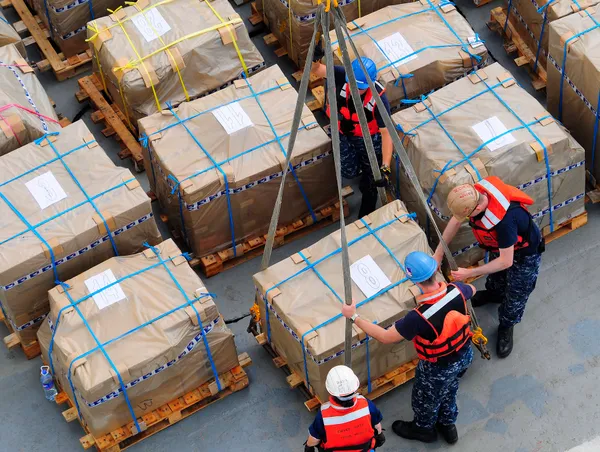
Two truckloads depart Houston as Ukraine’s hospitals face sustained pressure
A Houston-based humanitarian nonprofit has shipped two semi-trucks of hospital equipment and medical supplies bound for Ukraine, reflecting a continuing effort by U.S. medical-donation networks to keep Ukrainian clinics functioning amid the ongoing war.
The shipment is scheduled to leave from the Port of Houston, travel by sea to Romania, and then move overland into Ukraine. The route is designed to speed delivery while navigating constraints affecting direct transport into a country under sustained attack and experiencing repeated strain on civilian infrastructure and healthcare capacity.
What is being sent, and why “tested” matters
The cargo includes hospital-grade items commonly used in acute and emergency care, such as patient beds and monitoring devices, along with other clinical equipment and supplies. The donating and logistics partners describe the shipment as medical surplus that is no longer in use by area hospitals—not worn-out scrap—intended for immediate clinical deployment once received.
Medical-donation operations hinge on a central challenge: equipment must be safe, functional, and usable in the receiving setting. The Houston shipment was prepared with an emphasis on quality control, including equipment checks and the inclusion of user manuals, steps that are intended to reduce the risk of unusable donations and to speed onboarding for frontline clinicians.
How Houston’s medical-surplus pipeline works
Medical Bridges, founded in 1997, operates from a warehouse model that collects donated medical supplies and equipment, sorts and prepares them, and then sends them to qualified recipients domestically and abroad. The organization has built partnerships with hospitals in the region, including major pediatric providers, to recover surplus items that can still provide clinical value elsewhere.
In parallel across the U.S., large-scale medical donation programs commonly rely on standardized container shipping and structured needs assessments. One widely used model ships equipment in 40-foot cargo containers whose contents are tailored to recipient requirements, with typical wholesale valuations in the mid-six figures and separate fundraising often required to cover freight, handling, and delivery costs.
Ukraine’s healthcare needs are both urgent and sustained
For Ukrainian medical institutions, demand is driven by a mix of trauma care, emergency surgery, rehabilitation, and routine treatment disrupted by war. Medical supply chains can be interrupted by damaged infrastructure, surges of casualties, and power disruptions. In that context, additional beds, monitoring capacity, and basic clinical supplies can translate into expanded triage capability, safer inpatient care, and continuity of treatment for children and other vulnerable patients.
Key facts about the Houston shipment
- Two semi-trucks of equipment and supplies were loaded in Houston for shipment abroad.
- The planned route runs from the Port of Houston to Romania, then by truck into Ukraine.
- Equipment was prepared for clinical use, including functional checks and accompanying manuals.
- The effort relies on hospital surplus recovery and a volunteer-and-warehouse distribution model.
The shipment reflects a broader operational premise shared by medical-aid groups: surplus healthcare resources in U.S. systems can be redeployed to stabilize care in crisis settings when the equipment is appropriately screened, documented, and matched to real clinical needs.