Houston moves toward opening Emancipation Avenue “Super Hub” as a centralized entry point for homeless services
A centralized “front door” for services
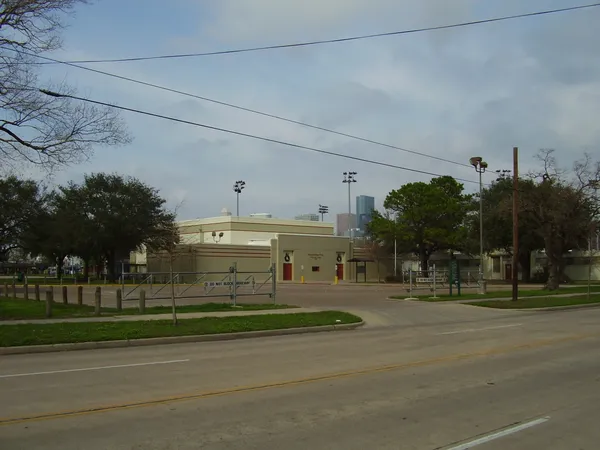
Houston is advancing plans for a new homeless-services facility at 419 Emancipation Ave. in East Downtown, a project city officials have described as a “Super Hub” designed to consolidate emergency shelter with on-site health and behavioral health support and direct connections to housing. The facility is intended to function as a 24-hour triage point—positioned as an entry portal into the region’s broader homeless response network—rather than a traditional overnight shelter alone.
The site is a previously used social-services property that city leaders have said will return to homeless-services operations for the first time in years. The building was formerly operated as a homeless shelter under Star of Hope and later used by Southwest Key as a shelter facility for migrant children. City discussions about the Super Hub intensified in 2025, with the city ultimately moving forward on purchase and redevelopment plans.
Capacity, access rules and service model
Planning materials and public statements outline a low-barrier approach intended to reduce common obstacles to entry. The Super Hub model has been presented as allowing walk-ins and accepting drop-offs by outreach teams and law enforcement. City officials have also said the facility is planned to accept individuals with pets and those arriving with partners—groups that can be difficult to accommodate in many existing shelter settings.
Projected bed capacity has been described publicly in the range of roughly 150 to 225 people at a time, with some planning references indicating the build-out could reach up to about 240 beds depending on configuration. The hub is expected to provide basic needs such as a place to sleep and meals, while also hosting multiple service providers on-site. Those providers are expected to include healthcare, psychiatric support, and substance use programs, alongside pathways to permanent housing and referrals into specialized mental health facilities.
Funding, operations and timeline questions
The City Council approved a $16 million purchase and redevelopment package tied to the Emancipation Avenue site after weeks of public debate and neighborhood concern about safety, oversight, and long-term sustainability. Operations costs discussed in public settings have ranged into eight figures annually, contributing to questions about multi-year funding sources.
In February 2026, city officials said the purchase of the property had closed and that minor repairs were underway. Officials also said an operator would be selected through an application process and that the timeline for opening would depend on the operator’s readiness and the final flow of operational funding. At that point, the city indicated it was aiming for an opening by June 2026, later than earlier expectations of an early-2026 launch.
How it fits into the regional homelessness system
The Super Hub concept has been framed as part of a broader strategy to reduce unsheltered homelessness by creating a single location capable of serving people with acute needs, including those with severe mental illness or substance use disorder. Planning documents tie the hub’s effectiveness to clear “exit” routes—diversion for people newly homeless, step-up services for higher-acuity behavioral health needs, and faster linkage to permanent housing when available.
The facility has been described by city leaders as “a front door,” intended to connect people from the street to safety, services, and ultimately housing.
- Location: 419 Emancipation Ave., Houston
- Core functions: 24/7 access, triage, emergency beds, and wraparound services
- Intake pathways: walk-ins plus outreach and law-enforcement drop-offs
- Key outstanding items: final operator selection and confirmed multi-year operating funds
City officials have positioned the project as a potential model for other jurisdictions, but near-term scrutiny remains focused on governance, security practices, capacity management, and whether housing placements can keep pace with inflow once the hub begins operating.