Houston mother reports Gross Elementary released her two sons to an unauthorized adult during dismissal process
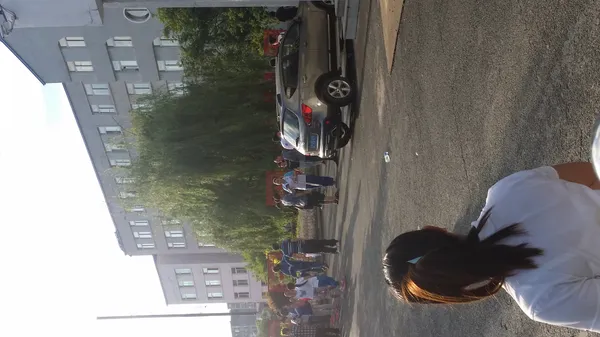
Incident reported during afternoon dismissal at Houston ISD campus
A Houston mother says her two young sons were released from Gross Elementary School during dismissal to an adult she had not authorized to pick them up. The mother said she learned the children had left the campus with someone outside the family’s approved pickup plan, raising concerns about how student-release procedures were followed.
Gross Elementary is a Houston Independent School District (HISD) elementary campus located on South Gessner Road in southwest Houston and serves students in early grades. The reported incident centers on the short, high-volume window at the end of the school day when campuses move hundreds of children from classrooms to buses, car lines and walk-up pickup areas.
How student release is typically supposed to work
Across many public school systems, dismissal protocols are designed to limit releases to parents, guardians, or specifically designated adults. Common safeguards include maintaining an authorized-pickup list, requiring photo identification for unfamiliar adults, and using pickup tags or placards to match children with approved drivers or walkers.
HISD campus handbooks and pickup guidance generally describe a process in which students are released only to parents/guardians or adults authorized by the parent/guardian, with verification steps when the adult is not recognized by staff. While campus-level procedures can vary, these controls are intended to prevent mistaken identity or miscommunication in car lines and walk-up areas.
What is known and what remains unclear
The mother’s account indicates her children were dismissed to an adult who was not on her authorized list. Public details available so far do not specify whether the adult presented identification, used a pickup placard associated with another family, or was mistaken for an approved person by staff. It also remains unclear whether the children were recovered quickly after leaving campus, whether any law enforcement report was filed, or whether HISD initiated a formal internal review.
- Key unresolved questions include how the adult was able to take custody at dismissal and what verification steps were performed.
- It is not yet publicly established whether the incident involved a procedural breakdown, human error, or misidentification.
- No publicly documented disciplinary action or policy change tied to this specific incident has been confirmed.
Why dismissal is a recurring pressure point for campuses
Student-release errors, even when quickly corrected, can carry serious safety implications. Dismissal is frequently the most operationally complex part of the day, with limited time, multiple pickup modes (bus, car rider, walker, after-school care), and frequent last-minute changes communicated by families.
In many districts, the dismissal period is treated as a controlled handoff point, with staff trained to prioritize verification over speed.
What families can do to reduce risk
Schools generally advise families to keep authorized pickup lists current, provide written updates when pickup plans change, ensure pickup placards are safeguarded, and remind children never to leave with an unfamiliar adult even if asked. Families are also typically encouraged to request a meeting with campus administration after an incident to review the sequence of events and confirm what corrective steps will be implemented.
HISD and Gross Elementary leadership have not been confirmed on the record in publicly available materials as having provided a detailed account of this specific case. The district’s privacy obligations regarding minors can limit what can be disclosed publicly, even when a family requests answers.