Houston leaders outline new heavy-trash pickup and enforcement steps after illegal dumping spreads in Sunnyside
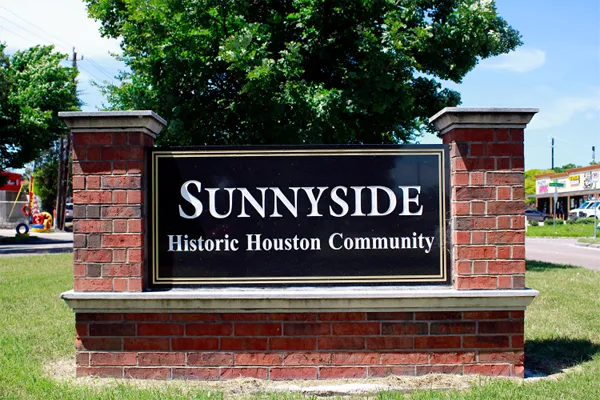
Illegal dumping concentrates near Worthing High School as residents report years of repeat violations
Illegal dumping has become a recurring quality-of-life and public-works problem along Wilmington Street in Houston’s Sunnyside area, where residents say discarded materials have accumulated for years and are now spreading toward nearby drainage features. The location sits behind Worthing High School and includes a dead-end stretch that neighbors describe as a frequent drop-off point for bulky items and construction debris.
Visible waste reported in the area includes mattresses, broken plumbing fixtures, drywall, shopping carts and HVAC-related components. Community representatives have also raised concerns that debris near ditches and waterways can obstruct drainage, adding a public-infrastructure risk alongside the neighborhood blight created by recurring dumping.
City response focuses on disposal access, predictable pickup timelines and case-building for enforcement
City leaders have recently discussed a shift in how Houston collects heavy trash, moving from a route-based approach to an on-demand scheduling model intended to make pickup more predictable and reduce incentives for illegal dumping. Under the framework described publicly, residents would request service through 311, receive a scheduled date, and then have heavy trash collected within five working days of that date. The outline also limits requests to a set number per address per year.
Officials have also described exploring options to speed the proper disposal of debris collected during cleanups, including potential operational arrangements that would move material directly to authorized disposal sites rather than leaving it to accumulate in public rights-of-way.
Backlogs and service capacity remain central to the citywide dumping discussion
Illegal dumping complaints are intertwined with the broader challenge of bulky-waste capacity and response times. Houston has previously acknowledged a large volume of service requests related to heavy trash and illegal dumping, and the city has used contract support to supplement municipal operations as it works to reduce backlogs.
Houston’s long-running anti-dumping strategy has also been shaped by the “One Clean Houston” plan, which frames the response around rapid cleanup, enforcement and prevention. The plan includes targeted funding for contracted abatement services and emphasizes the link between chronic dumping sites and recurring neighborhood impacts.
Federal monitoring ended early; local accountability now relies on city systems and community reporting
The policy environment has shifted as well. A federal agreement that had established monitoring and reporting requirements tied to Houston’s response to illegal dumping in certain neighborhoods ended ahead of its scheduled expiration, leaving local agencies and community groups as the primary drivers of tracking, cleanup coordination and follow-through.
What residents can do now
- Report illegal dumping and active dumping activity through 311 to create time-stamped service and enforcement records.
- Use city depository stations when available for authorized drop-off of acceptable materials.
- Document recurring problem locations for pattern-based enforcement, including repeat offenders and commercial dumping indicators.
Residents and neighborhood leaders say the immediate need is consistent removal of existing piles alongside deterrence that prevents the same locations from being re-used as informal dump sites.