Houston ISD proposes closing or consolidating 12 campuses for 2026-27 amid declining enrollment and costs
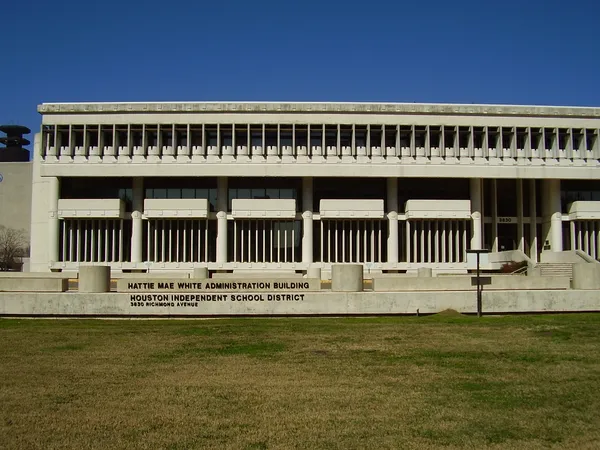
Proposed closures would reshape enrollment at multiple Northeast Houston campuses next school year
Houston Independent School District leaders are weighing a plan to close or consolidate 12 campuses starting in the 2026–27 school year, a move district officials have tied to sustained enrollment declines, underused buildings and rising maintenance needs across aging facilities.
The proposal is scheduled for a decision by the district’s Board of Managers on Feb. 26, 2026. If approved, campuses would continue operating through the end of the 2025–26 academic calendar, with changes taking effect after the school year ends.
Which campuses are included
The district has outlined a mix of closures, consolidations and co-locations. The campuses named in the plan include:
- Alcott Elementary School
- Briscoe Elementary School
- Burrus Elementary School
- Franklin Elementary School
- Nat Q. Henderson Elementary School
- Port Houston Elementary School
- Ross Elementary School
- Cage Elementary School (planned co-location with Lantrip Elementary School)
- Fleming Middle School (planned co-location with Mickey Leland College Preparatory Academy for Young Men)
- McReynolds Middle School (planned co-location with Mickey Leland College Preparatory Academy for Young Men)
- Hobby Elementary School (planned co-location with Lawson Middle School; with Pre-K and kindergarten students attending Martin Luther King Jr. Early Childhood Center)
- Middle College High School at HCC Gulfton (planned closure and absorption by Liberty High School)
Why district leaders say the changes are needed
District leadership has pointed to a multi-year decline in student enrollment that has reduced revenue under Texas’ attendance-based funding model. At the same time, many of the affected campuses are decades old, and district administrators have said concentrated enrollment at fewer sites would help redirect resources toward academics, programs and building conditions at receiving schools.
In public briefings, district leadership has also described the plan as a response to larger-than-expected enrollment drops, after earlier statements in 2025 indicated closures were not being pursued for 2026–27.
What families and staff are being told to expect
HISD has said students would be reassigned to nearby campuses and that families will receive transition supports through campus meetings, tours of receiving schools and dedicated support teams. The district has also said special education services would continue at receiving schools in line with students’ individualized education programs, with transportation handled under existing eligibility rules.
Key dates outlined by the district include a Board of Managers vote on Feb. 26, 2026, and an extension of the school choice application deadline for impacted students from Feb. 27 to March 5.
For district employees, the plan includes a placement process in April and contract issuance in mid-May, with early June identified as a separation date for at-will staff who have not secured roles for 2026–27.
Context: governance, capacity and community response
The proposal comes under state-appointed district leadership installed after the Texas Education Agency replaced elected trustees with a Board of Managers in 2023. Community members and elected trustees have pressed for greater transparency and earlier public engagement, arguing that school consolidations can have broad effects on neighborhoods, student commutes and campus identity.
District leaders have said informational meetings and public comment opportunities will continue ahead of the vote, as families seek clarity on receiving campuses, class sizes and long-term plans for the affected properties.