Houston gasoline prices climb as global oil markets tighten, raising the risk of $4 per gallon
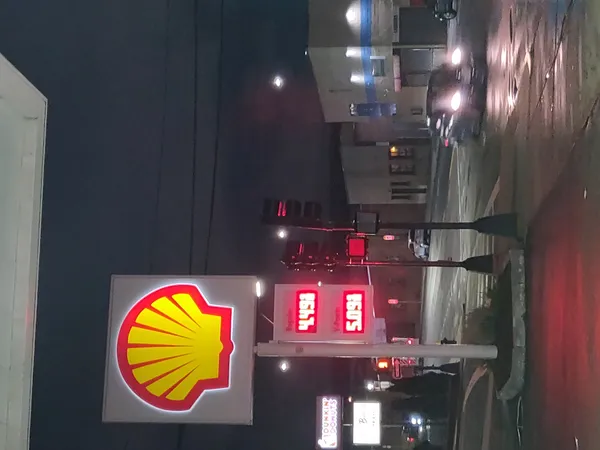
Rising crude prices are flowing quickly into Houston-area pump prices
Gasoline prices in the Houston region have moved higher in recent days as global crude oil markets reacted to escalating conflict in the Middle East and the possibility of disrupted maritime energy shipments. The jump has been sharp enough that some market observers and consumer fuel trackers are warning that certain Houston stations could approach $4 per gallon if wholesale costs remain elevated and retail margins adjust upward.
The immediate driver is a surge in oil prices tied to heightened geopolitical risk in key shipping corridors and production areas. When crude prices rise rapidly, gasoline typically follows with a lag: refiners pay more for feedstock, wholesalers reprice shipments, and retailers update pump prices as they replace inventory. That lag can be short during volatile periods, particularly in large metro areas with frequent fuel deliveries and intense price competition.
Why Houston can feel global shocks quickly
Houston sits at the center of the U.S. Gulf Coast refining and petrochemical complex, and Texas is a major oil-producing state. Even so, local retail fuel prices are still set by national and global wholesale dynamics rather than purely local supply. Houston-area motorists may see rapid changes as stations reprice based on the expected cost of the next truckload, not the fuel currently in their underground tanks.
In Texas, statewide averages have already shown a notable increase during the early phase of the conflict-driven rally in crude. National averages have also climbed, reflecting broad-based pass-through from oil to gasoline and diesel. Diesel prices are especially sensitive because of freight demand and tight refining capacity for middle distillates, which can amplify transportation costs across the economy.
Key factors that determine whether prices reach $4
Duration and severity of supply disruption risk: Continued threats to shipping lanes and export terminals can keep a risk premium embedded in crude prices.
Refinery operations and seasonal blends: Spring transition to summer-grade gasoline can raise costs, and any unplanned refinery outages can tighten regional supply.
Inventory levels across the Gulf Coast: Lower inventories can accelerate price moves when wholesale markets spike.
Retail competition and station pricing strategies: Even within Houston, prices can vary significantly by neighborhood and proximity to high-traffic corridors.
Gasoline prices tend to rise faster than they fall during abrupt oil shocks, reflecting replacement-cost pricing and rapid wholesale repricing.
What drivers can expect next
Whether Houston averages approach $4 per gallon will depend on the next several weeks of crude price direction, Gulf Coast wholesale gasoline pricing, and refining supply conditions. If crude remains elevated or becomes more volatile, additional increases at the pump are likely. If geopolitical risk eases and oil prices retreat, pump prices typically soften afterward, though the decline often arrives more gradually than the initial climb.
For consumers, the most immediate impacts are higher commuting and delivery costs, with knock-on effects on goods transported by truck. In the near term, price dispersion is expected to widen, making station-to-station comparison more valuable for drivers trying to limit fuel expenses.