Houston gas prices jump about 30 cents after U.S.-Israeli strikes heighten Middle East supply concerns
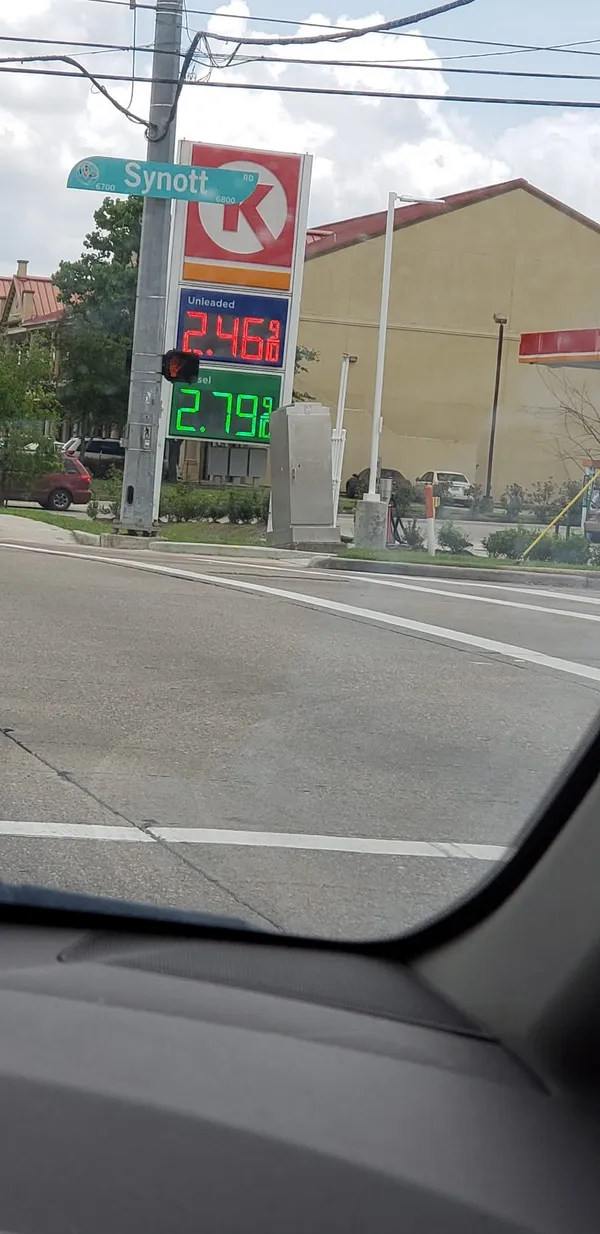
Prices at Houston pumps move higher as markets reprice geopolitical risk
Houston-area motorists are paying noticeably more for gasoline following the start of coordinated U.S.-Israeli military strikes on Iran, as fuel markets reacted to the prospect of tighter oil supplies and disruptions to shipping routes that support global energy trade.
In the first days after the strikes began, retail gasoline prices in the Gulf Coast region increased week over week, reflecting a rapid pass-through from crude-oil and wholesale gasoline markets to local stations. Federal tracking of retail fuel prices also showed a jump in the Gulf Coast district in the week ending March 2, a period that overlapped with the start of the military campaign on February 28.
What happened and why it matters for fuel markets
The strikes began on February 28, 2026, and were followed by escalating military activity and retaliatory actions across the region in early March. Even when physical oil supply is not immediately interrupted, markets can move quickly when the risk of future disruption rises—especially when the conflict involves areas connected to the Persian Gulf and key maritime chokepoints used for crude and refined-product flows.
For Houston drivers, the timing is important. The region sits at the center of the U.S. Gulf Coast refining and petrochemical complex, but local retail prices still respond to the same core variables that shape national gasoline costs: crude oil prices, refining margins, distribution costs, and taxes. In fast-moving events, wholesale prices can adjust in days, while retail prices often follow as stations replace inventory at higher costs.
How large is the increase and what the data show
Houston-area averages reported by fuel trackers and local market monitors indicate an increase of roughly 30 cents per gallon since the start of the strikes, with daily moves that can vary by neighborhood and brand. Federal weekly pricing for the broader Gulf Coast region also recorded a notable week-over-week increase at the beginning of March, while the national average rose as well over the same reporting period.
- Gulf Coast regional averages rose in early March as the conflict intensified.
- Houston retail prices moved higher in parallel, with some stations adjusting multiple times over several days.
- Diesel prices also increased nationally and in Gulf Coast averages, adding cost pressure for freight and delivery.
What to watch next in Houston
Whether prices keep climbing will depend on how the conflict evolves and how oil and shipping markets assess the likelihood of sustained disruptions. Refinery operations along the Gulf Coast, seasonal demand heading into spring, and inventory levels for gasoline and blending components will also influence what motorists see at the pump.
Retail fuel prices often move quickly when wholesale replacement costs rise, and then stabilize or reverse if crude prices retreat or supply fears ease.
For consumers, the most immediate impact is budget-related: a 30-cent increase adds about $4.50 to a 15-gallon fill-up, with larger effects for higher-mileage commuters and commercial drivers.

Preliminary federal report details de-icing timeline, flight data in fatal jet crash tied to Houston firm

Investigators seek suspect accused of entering Montrose homes through windows and pet doors in daylight

Galveston jury convicts Houston mother in capital murder case tied to toddler’s hotel balcony death