Houston finalizes Emancipation Avenue homeless “super hub” purchase, targeting June opening amid neighborhood concerns
A new city-run homelessness initiative reaches a key milestone
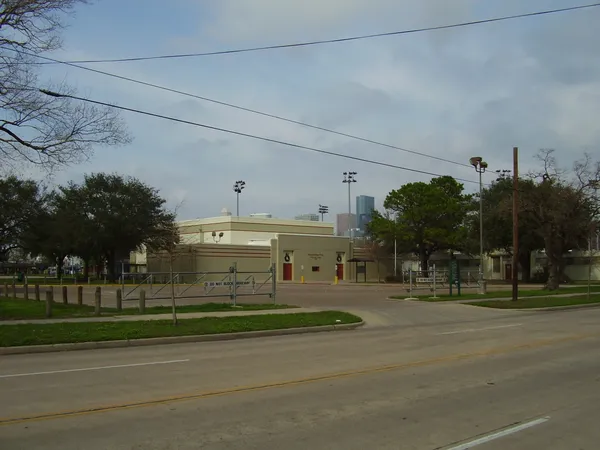
Houston has completed the purchase of a facility at 419 Emancipation Avenue for a new homeless services “super hub,” moving forward with a plan city leaders have framed as central to reducing street homelessness. City officials say the site is undergoing minor repairs and is expected to open by June, though the exact opening date will depend on the final selection of an operator and confirmation of operating funds.
The property, near Shell Energy Stadium east of downtown, has previously been used for homeless shelter operations and later for other large-scale residential services. The city’s intent is to re-establish the location as a high-capacity, low-barrier entry point where people experiencing homelessness can be assessed and connected to services and longer-term housing options.
What the “super hub” is designed to do
City leaders describe the hub as a triage-style facility that would provide temporary beds and route clients to appropriate next steps based on need. Plans outlined in public meetings and council discussions have included on-site or coordinated access to medical care, mental health services, substance-use support, meals, and pathways to other shelters and permanent housing.
Location: 419 Emancipation Avenue, east of downtown
Target opening: by June (date dependent on operator and funding readiness)
Capacity: plans discussed publicly have ranged from roughly 200 beds to as many as about 240, with varying figures cited as the operational model has evolved
Funding and operations: what is known and what remains unresolved
A significant portion of the initial operating support is tied to federal disaster recovery funding connected to 2024 extreme-weather events, including the May derecho and Hurricane Beryl. City officials have discussed dedicating multi-year funding for operations and longer-term health support during the program’s initial phase, alongside a separate housing “exit” component intended to increase placements into permanent housing.
Officials have also said philanthropic fundraising is part of the broader approach, with the housing component coordinated through existing regional homelessness infrastructure. As of the latest council update, the city expects to name an operator for the Emancipation site in early March.
Why the project is controversial
The proposal has drawn organized opposition from some nearby residents and stakeholders who have raised concerns about safety, quality of life, and what they describe as insufficient neighborhood engagement before decisions were advanced. The city has responded by outlining security and enforcement plans discussed publicly during the project’s approval process, including a law-enforcement presence and operational rules for clients.
City officials have described the facility as a centralized access point intended to move people from the street into services and, ultimately, into stable housing—while opponents have focused on potential impacts to the surrounding area.
What to watch next
The timeline toward a June opening is now linked to near-term operational decisions: selecting the operator, finalizing staffing and service partnerships, and ensuring the funding streams needed to keep the site running. The city has also indicated that additional smaller hubs may be pursued elsewhere, making the Emancipation facility an early test of how Houston balances urgent homelessness needs with neighborhood-level concerns and long-term sustainability.