Houston crews begin re-striping Almeda Road after repeated safety complaints and years of resident reporting
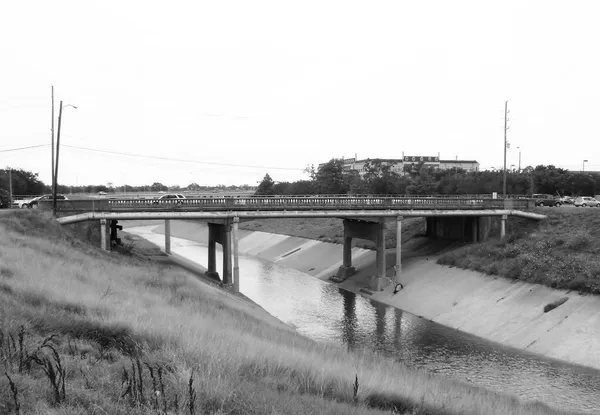
A long-requested change on a major Houston corridor
City crews have begun re-striping portions of Almeda Road, a step residents have sought for years as lane markings faded and driving conditions deteriorated. The work follows a broader citywide effort to restore pavement markings after extended delays that left many Houston streets without clearly visible lane lines.
Almeda Road is a heavily traveled north-south route that connects multiple neighborhoods and activity centers, and it includes segments with higher-speed traffic and frequent turning movements. For drivers, cyclists and pedestrians, missing or faint markings can reduce lane discipline, complicate merging and turning decisions, and make crossings harder to judge—especially at night and in wet weather.
Why lane stripes disappear—and why replacing them is not simple
Pavement markings wear down through constant traffic friction and prolonged sun exposure. In Houston, responsibility for maintaining markings depends on which public entity controls a particular roadway. Within city limits, Houston Public Works oversees a vast network—about 16,000 lane miles of streets and more than 15 million linear feet of pavement markings—using a mix of in-house crews and private contractors for larger-scale work.
Major re-striping often relies on specialized striping equipment and trained operators. When contracting capacity is disrupted, routine maintenance can lag and backlogs grow. In recent years, city officials have acknowledged that contract gaps and accumulated work orders contributed to widespread fading on major thoroughfares, leading to months-long delays in repainting.
Citizen reporting plays a central role
Public service requests are a key mechanism for identifying where striping has failed. Houston’s 311 system has recorded resident complaints describing missing crosswalks and lane lines, including concerns near the Almeda Road area where motorists navigate curves and higher speeds. While the city prioritizes work based on visibility thresholds, traffic conditions and operational capacity, 311 reports help surface locations that residents consider urgent.
Residents have described situations where lane markings and crosswalks became difficult to detect, raising concerns about crashes, near-misses and general roadway confusion.
Safety context on Almeda Road
Recent crashes along Almeda Road and at Almeda intersections underscore the stakes of roadway visibility and predictable traffic movements. Investigations into fatal collisions on or near Almeda have detailed vehicles departing lanes or entering opposing traffic, as well as high-impact intersection crashes. Striping alone does not prevent impaired driving or all roadway departures, but clear markings are a foundational element of traffic control and can support safer positioning, passing behavior and turning patterns.
What drivers should expect
- Intermittent lane closures and shifting traffic patterns during striping operations.
- Freshly painted lines may require short curing periods; crews may use cones or temporary controls.
- Changes can include refreshed lane lines and, depending on the segment, updated edge lines and turn-lane guidance.
For residents who have pressed for improvements, the re-striping marks a visible response to persistent reporting and a tangible step in the city’s larger effort to restore basic roadway guidance across Houston.