Family Escapes Southwest Houston House Fire as Firefighters Continue Operations and Investigators Begin Cause Review
What happened
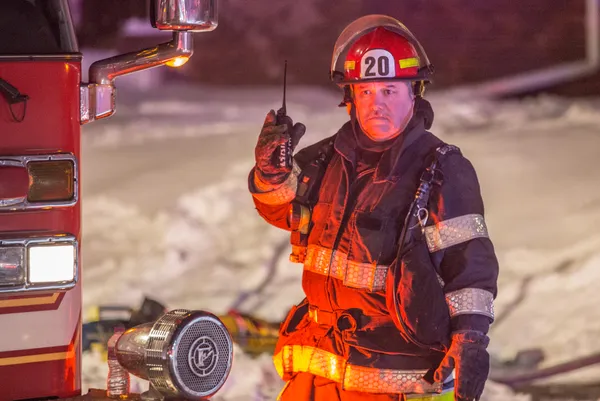
A family escaped a house fire in southwest Houston as firefighters continued working at the scene, focusing on extinguishment, ventilation, and inspections intended to prevent rekindling. Firefighters typically remain on location after flames are knocked down to locate hidden hot spots in walls or attic spaces and to assess structural stability and utility hazards.
House fires in this part of Houston are frequently handled by multiple engine and ladder companies, with additional resources added when smoke conditions, attic involvement, or access to water and electricity complicate operations. In residential incidents, crews generally prioritize a rapid search to confirm that all occupants have exited, followed by an interior attack when conditions allow.
How Houston firefighters typically work these scenes
Once residents are out, firefighting operations commonly move through several phases. After initial suppression, crews ventilate the structure to clear smoke and heat, then perform “overhaul,” a labor-intensive step in which firefighters open ceilings or walls to expose smoldering materials that can reignite. Utilities may be shut off to reduce electrocution risk and eliminate power sources that can contribute to fire spread.
Primary and secondary searches: Firefighters conduct a rapid initial search for any occupants, then repeat checks after conditions improve.
Ventilation: Opening the structure (including roof ventilation when needed) helps release smoke and heat and can improve visibility for interior work.
Overhaul and salvage: Crews look for hot spots and may remove damaged items to limit additional losses from smoke and water.
Early cause determinations often focus on common ignition sources
Determining exactly how a residential fire started generally requires a scene examination once conditions are safe. In recent Houston-area incident summaries, several recurring causes and contributing factors have appeared in single-family home fires, including electrical failures, equipment malfunctions, and other accidental ignition sources.
Examples documented in prior Houston Fire Department incident updates have included attic fires linked to electrical line contact with structural wood, accidental fires associated with fireplaces, and equipment failures such as malfunctioning household electrical furniture. These incident patterns reflect the range of scenarios investigators consider when reviewing origin and cause.
What happens next
After the scene is secured, the next steps typically include documenting damage, confirming the fire’s origin area, and determining whether the cause was accidental or involved other factors. When families are displaced, emergency assistance may be requested to provide short-term housing and essential needs.
For residents, the most immediate safety priority after a fire is to avoid re-entering the structure until officials indicate it is safe, particularly when there may be electrical damage, compromised roofing, or lingering smoke conditions.
Fire officials routinely emphasize basic prevention measures—functional smoke alarms, safer use of heating and electrical devices, and escape planning—because fast detection and clear exit routes remain central to preventing injuries when a fire breaks out in a home.