Crash prompts full mainlane closure on US-90A at Cravens Road, triggering major Southwest Houston delays
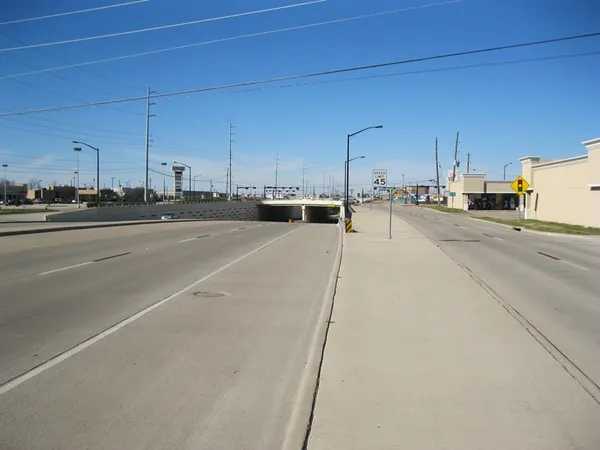
What drivers encountered
A traffic crash forced the closure of all main lanes on US-90A at Cravens Road, interrupting a key corridor that links drivers moving between southwest Harris County and Fort Bend County. The shutdown was listed as an incident on the region’s real-time traffic management system, which is used to coordinate lane closures and relay conditions to the public through maps, cameras, and alerts.
When a full mainlane closure occurs on a limited-access or near-freeway segment, drivers are typically pushed onto frontage roads and nearby surface streets. In the US-90A/US-90 Alternate area, that frequently means spillover toward parallel routes and local intersections, where traffic signals and shorter merge lanes can quickly become bottlenecks during peak travel periods.
Why the location matters
Cravens Road sits near a stretch of US-90A/US-90 Alternate that serves commuters, freight traffic, and local trips across the southwest metro area. The corridor also interfaces with ongoing and planned transportation work across Fort Bend County and the broader region, making it especially sensitive to sudden disruptions.
Past incidents in the same general vicinity have demonstrated how quickly a major crash can back up both directions of traffic, particularly when first responders need space for medical response, investigation, debris removal, and towing operations.
How lane-closure information is produced
Greater Houston’s traffic and emergency coordination center operates as a partnership among multiple public agencies responsible for transportation management and emergency management services. During major roadway incidents, operators monitor conditions and post verified closures, helping inform drivers and support interagency coordination for incident clearance.
What drivers can do during a full closure
Expect sudden slowdowns well before the closure point, especially near ramps and frontage-road exits where merging increases.
Plan for longer travel times and consider alternate corridors when main lanes are closed; frontage roads may also become congested.
Give emergency crews space by avoiding shoulder driving and watching for lane-direction changes near ramp terminals.
Motorists are urged to slow down near crash scenes, remain alert for responders and disabled vehicles, and anticipate congestion spreading beyond the immediate closure.
What remains unknown
Details such as the number of vehicles involved, the severity of injuries, and the precise timeline for reopening were not immediately available from the traffic alert alone. In many cases, full reopening depends on the need for crash reconstruction, hazardous-material cleanup, or infrastructure repairs such as guardrail damage.
This article will be updated as additional verified information becomes available about the crash and the status of US-90A at Cravens Road.