Colony Ridge developers agree to $68 million settlement, three-year plat halt, and new buyer safeguards
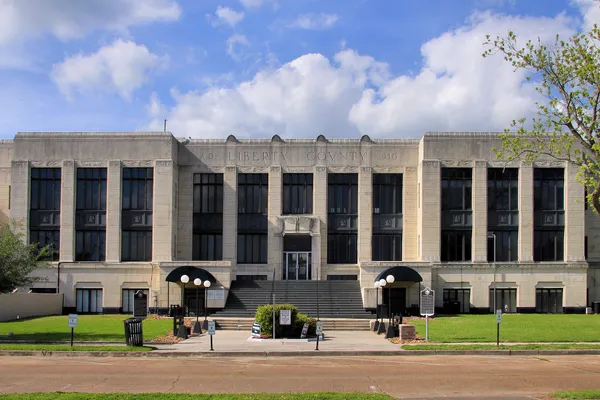
Settlement resolves parallel federal and state cases tied to land sales, lending, and marketing practices
Colony Ridge Land LLC and affiliated entities operating in Liberty County northeast of Houston have agreed to a $68 million settlement resolving lawsuits brought by federal authorities and the State of Texas. The agreement closes claims that the developer and related lending operations used deceptive marketing and sales practices and steered Hispanic borrowers into seller-financed loans allegedly structured without adequate underwriting, contributing to elevated foreclosure rates.
The legal actions grew out of two major filings: a federal case initiated in December 2023 alleging violations of the Equal Credit Opportunity Act and the Fair Housing Act, and a separate state lawsuit filed in March 2024 alleging deceptive trade practices and real estate fraud. The settlement does not require an admission of wrongdoing, but it imposes operational limits and compliance requirements designed to change how lots are marketed, sold, and financed.
Key terms: development pause, disclosures, and financing standards
A central provision is a three-year halt on development of new residential plats intended for direct-to-consumer sales. The agreement also requires changes to representations made to prospective buyers, including clearer pre-sale disclosures about whether a property is “move in ready” and whether it has immediate access to essential utility services.
The settlement framework also addresses lending practices by requiring new criteria for loan approvals and offering specified relief mechanisms for customers facing foreclosure. Federal allegations in the case described a cycle in which foreclosures led to properties being reclaimed and resold to new borrowers, amplifying financial instability for affected households.
- Three-year halt on new residential plats for direct-to-consumer sales
- Revised disclosures about property condition, flooding risk, and utility access
- Updated underwriting standards and foreclosure-related customer relief
- Marketing and advertising requirements aimed at preventing deceptive claims
Infrastructure and public-safety spending commitments
Of the $68 million total, the settlement sets out two major spending tracks. One allocates $48 million toward infrastructure work in the development area, including projects tied to roads, drainage, flooding mitigation, and sewage-related needs. The other allocates $20 million over a longer horizon for public-safety initiatives, including expanded law-enforcement presence and the construction of a new police facility within the community.
What the agreement means for prospective and current buyers
For prospective purchasers, the settlement adds identity documentation requirements. Buyers must present specified forms of identification, including certain Texas-issued IDs or qualifying passport-and-visa documentation. The agreement also requires purchaser certifications addressing ties to terrorist or transnational criminal organizations.
For existing buyers and residents, the practical impact is expected to center on disclosures, loan-modification pathways and foreclosure-related relief, and the pace and targeting of infrastructure improvements. The three-year plat halt is likely to constrain near-term expansion, while compliance oversight requirements are intended to standardize sales and lending conduct during the settlement period.
The settlement outlines a broad set of operational changes intended to address allegations of deceptive marketing, inadequate underwriting, and infrastructure-related misrepresentations.
The agreement marks one of the largest recent settlements involving land sales and seller-financed lending practices in the Houston region’s outer growth corridor, with terms spanning development limits, consumer-facing disclosures, infrastructure investment, and public-safety commitments.