Bush Intercontinental and Hobby airports impose FAA ground stops as severe thunderstorms disrupt Houston air traffic
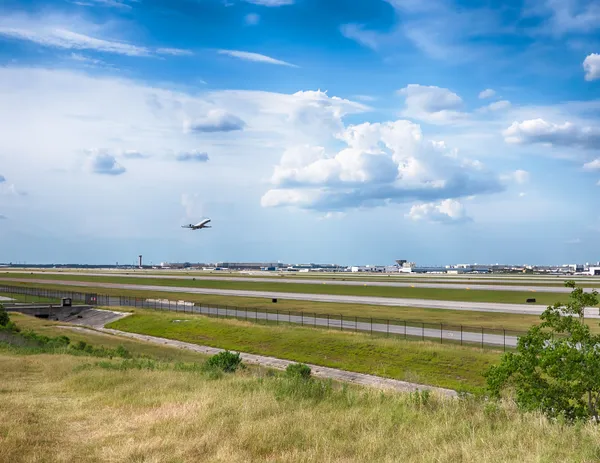
Ground stops put inbound flights on hold amid storm warnings
Air traffic into Houston’s two commercial airports was temporarily restricted Wednesday as severe thunderstorms moved into the region, prompting federal air-traffic managers to impose ground stops for arriving flights.
At George Bush Intercontinental Airport (IAH), the ground stop window was scheduled from 10:45 a.m. to 1 p.m. local time. At William P. Hobby Airport (HOU), the ground stop was scheduled from 12:15 p.m. to 1:30 p.m. The operational reason listed for both actions was thunderstorms.
What a ground stop means for travelers
A ground stop is an air-traffic control tool used when conditions at an airport temporarily reduce safe arrival capacity. Rather than allowing aircraft to depart for an airport that cannot safely accept arrivals, flights destined for that airport may be held at their departure stations until the restriction is lifted or adjusted.
For passengers, the most immediate effects typically include delayed departures on routes headed to Houston, extended connections for itineraries that route through the city, and schedule disruptions that can cascade throughout an airline’s network. Even when a ground stop is limited to inbound traffic, gate congestion and aircraft positioning issues can also affect outbound operations as planes and crews fall out of sequence.
Weather threat extends beyond aviation operations
The ground stops were implemented as Southeast Texas faced a period of strong to severe thunderstorms. Forecasts issued Wednesday highlighted a primary risk window around late morning through mid-afternoon, with the possibility of damaging winds, hail, and isolated tornadoes depending on storm development and track.
Airport operational restrictions during thunderstorms are commonly tied to lightning safety procedures on ramps, reduced visibility, wind shear concerns, and the need to space aircraft farther apart during arrivals and departures. When storms approach terminal airspace, air-traffic controllers may also need to reroute or meter flights to keep aircraft separated from hazardous weather.
How long disruptions may last
Ground stops are typically reviewed and extended, shortened, or replaced by other traffic-management measures as conditions evolve. Even after a ground stop ends, residual delays can persist as airlines work to reposition aircraft, accommodate missed connections, and manage crew duty-time limits.
What travelers can do now
Check flight status frequently, especially for inbound flights to IAH or HOU and for connections through Houston.
Allow extra time for rebooking options if your itinerary includes a tight connection.
Monitor local severe-weather alerts and plan for possible ground-transportation delays if storms intensify.
During thunderstorm-related ground stops, delays can continue after the official end time as airports and airlines work through the backlog of arrivals.