Advanced DNA testing revives 1980 Houston-area double murder inquiry, expanding leads decades after bodies were found
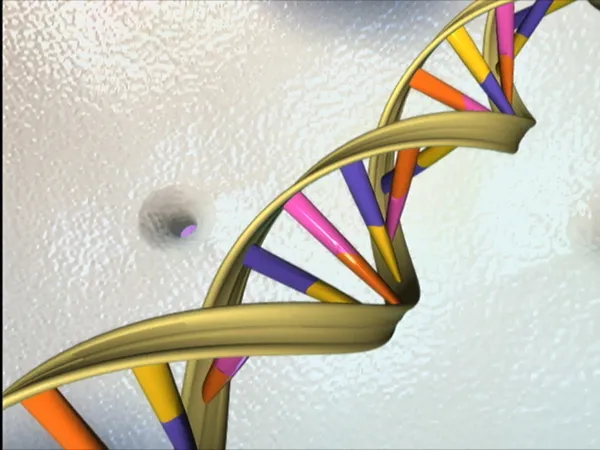
Cold case reopened as forensic DNA methods evolve
Investigators are again focusing on a double homicide that occurred in late 1980 and was discovered just outside Houston on Jan. 12, 1981, after advances in DNA technology created new avenues to test evidence and re-check earlier conclusions. The case involves two victims who were found in a wooded area in northern Harris County near Wallisville Road, with authorities determining the deaths were homicides.
The man had been bound and beaten to death, while the woman was strangled. Their bodies were discovered close together and were significantly decomposed, suggesting they had been dead for weeks. At the time, the victims could not be identified, and they were buried in anonymous graves as the investigation stalled.
From unidentified victims to named individuals through genetic genealogy
Decades later, the case began moving again as forensic science shifted beyond traditional fingerprinting and early DNA profiling. In 2011, the remains were exhumed so DNA could be recovered and preserved for modern testing and database comparisons. That step ultimately made it possible to apply genetic genealogy techniques that were not available when the bodies were first found.
In 2021, the two victims were identified as Harold Dean Clouse Jr., 21, and Tina Gail Linn Clouse, 17, a married couple originally from Florida. The identification helped reconstruct a clearer timeline: the couple had stopped communicating with relatives in the fall of 1980 after relocating to Texas with their infant daughter, Holly Marie Clouse.
A missing child becomes part of the investigation
When the couple’s remains were located in 1981, no child was found with them, and Holly’s whereabouts were unknown for decades. In 2022, authorities located Holly alive. Public accounts of the recovery indicate the search required navigating sealed records and legal barriers that can surround birth and adoption documentation, underscoring how administrative hurdles can complicate long-term missing-person cases.
What DNA can still change in a decades-old homicide
Even with the victims now identified and the missing child located, the central question remains unanswered: who killed Dean and Tina Clouse and why. Investigators can use today’s forensic tools to revisit physical evidence that may have produced limited results in earlier eras, including:
- Modern “touch DNA” and improved sensitivity in trace biological testing
- Re-analysis of older samples using contemporary interpretation standards
- Genetic genealogy comparisons, when legally permitted and scientifically viable
However, DNA is not a guaranteed solution. Biological material may be degraded, contamination risks increase with time, and some crimes leave little recoverable DNA. In addition, scientific findings still must be paired with corroborating investigative work—timelines, witness accounts, and documented movements—to support any potential prosecution.
The renewed work illustrates how evolving forensic science can transform a case once defined by anonymity into one with named victims, a located missing child, and a clearer investigative starting point.
No public record of an arrest has been established in connection with the killings. The investigation remains open as authorities assess what additional evidence, if any, can be developed using current DNA capabilities.